
How does lysolecithin improve the animal feed?

lysolecithin, lecithin, livestock, poultry, swine, aqua, fish

We can’t emphasize enough how important lysolecithin is to create better animal feed.

Since feed formulations adds between 3 – 8% oils and on top of that, fats and grains also contains oils and fats, it is an enormous amount of fats to digest using only internal emulsifiers. Without help of external emulsifiers, a big amount of fats will not be digested nor absorbed. It is important include an emulsifier that will maximise the main function – the digestibility and absorption of lipids.

But what emulsifier to include?

In the case of emulsification power, GN Good Nutrition lysolecithin is far superior to lecithin to digest lipids (fats and oils) and superior nutrient absorption.
More articles
Vitalsorb, containing lysolecithin, forms a stable emulsion aiding fat digestion. The liver produces lysolecithin, but insufficiently. Vitalsorb assists fat digestion effectively.
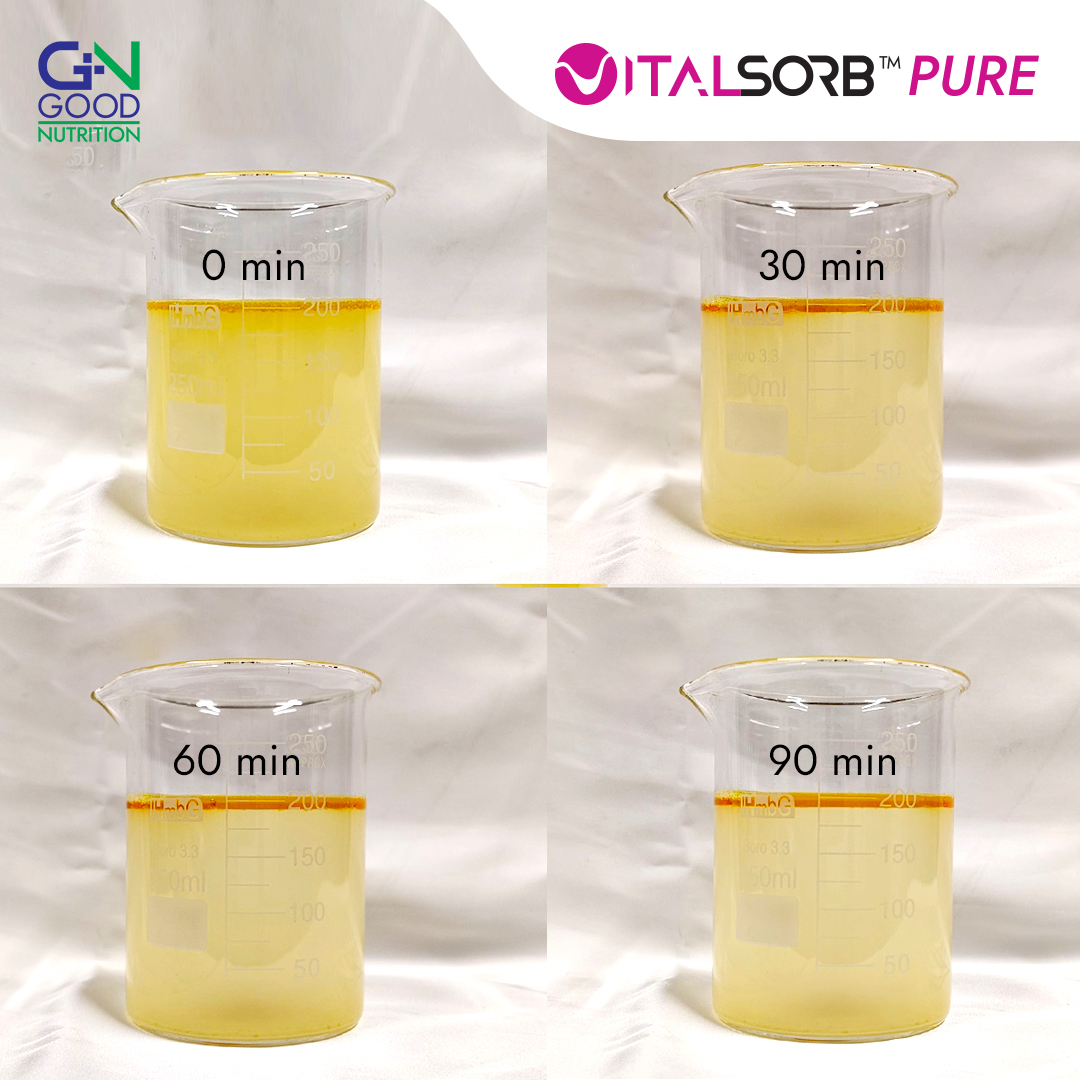
Vitalsorb Pure’s Stability
In digestion of fats, it is important for the emulsifier to form a stable emulsion over 90 minutes. Vitalsorb is an emulsifier made of lysolecithin that is able to achieve this stability.
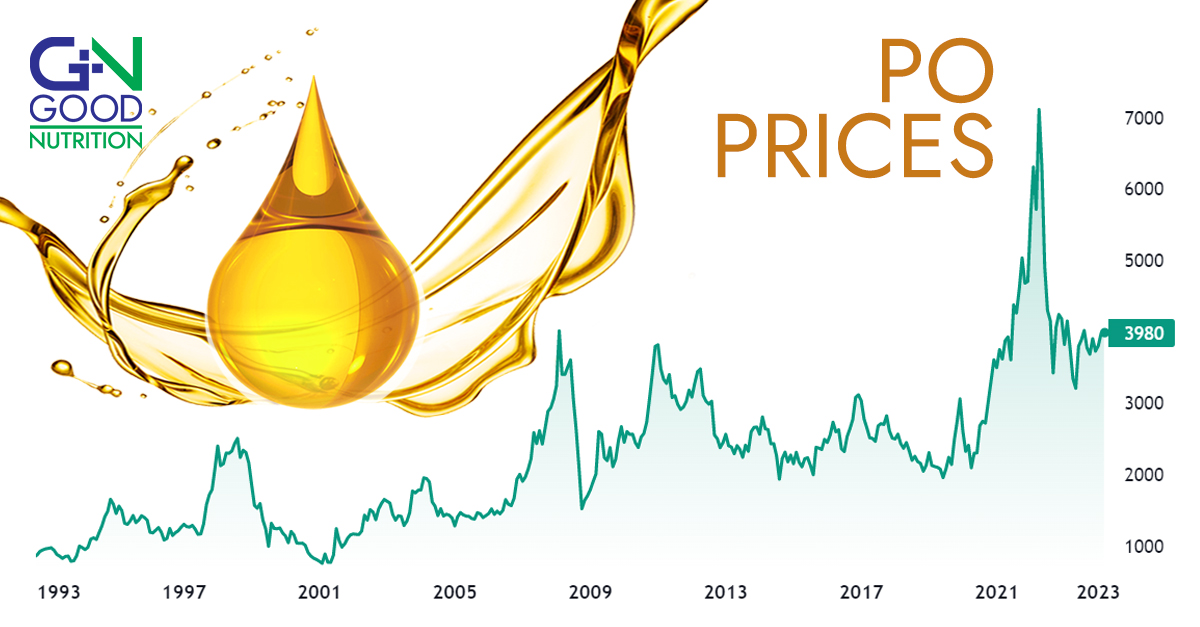
inflation of fats prices and how lysolecithin can reduce cost
History of Fats and Prices
In the 1990’s, lipids (fats and oils) were cheap; about USD 300/metric ton (1990) therefore adding lipids to feed was a competitive option. However, with the global push towards sustainability, more lipids were used for manufacturing of biodiesels.