


Blog
Learn with GN Good Nutrition.
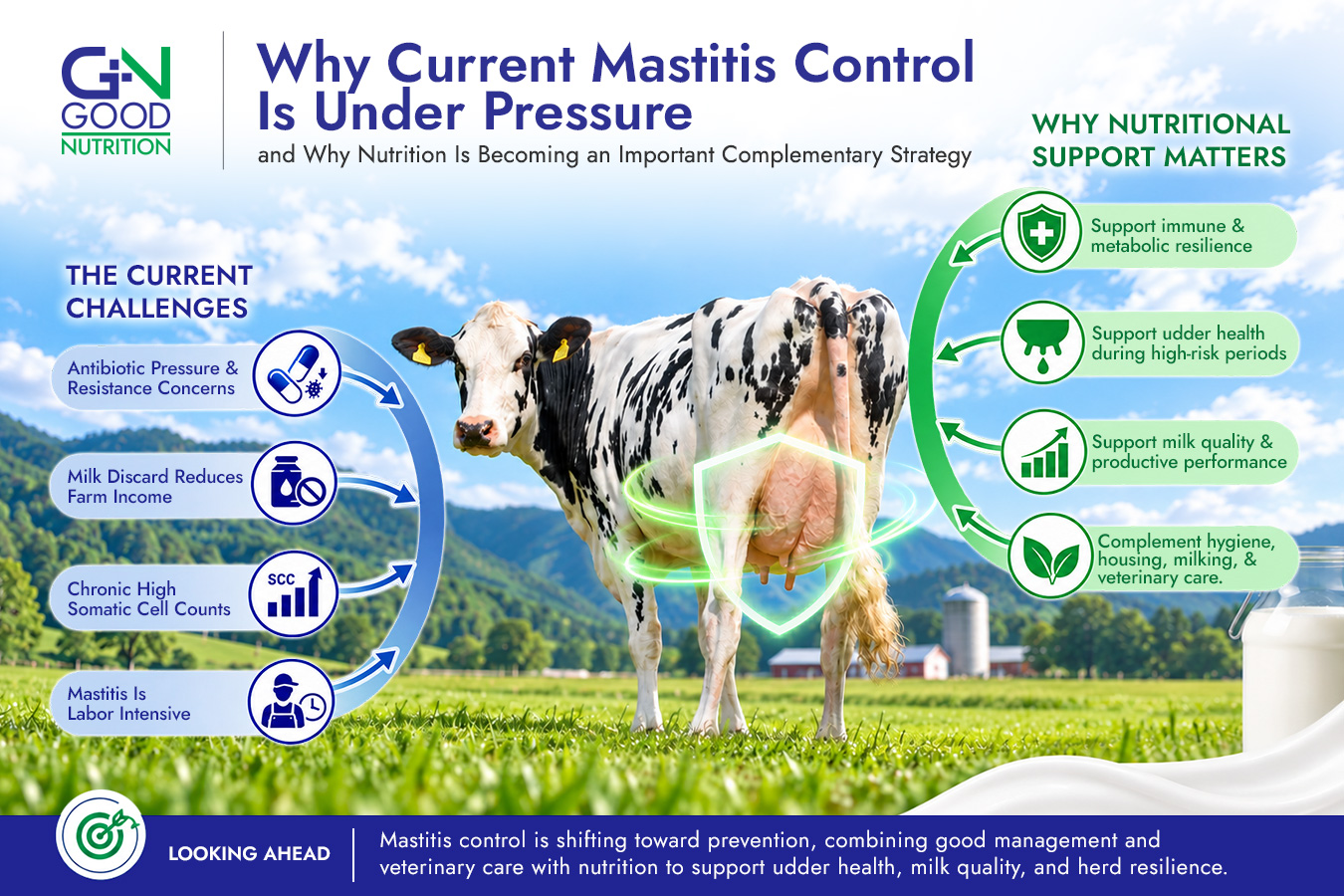
Why Current Mastitis Control Is Under Pressure and Why Nutrition Is Becoming an Important Complementary Strategy
Mastitis remains one of the costliest and most persistent diseases in dairy farming. Despite advances in hygiene, treatment, and herd management, recurring infections, elevated SCC, reduced milk quality, and profitability losses remain constant challenges.
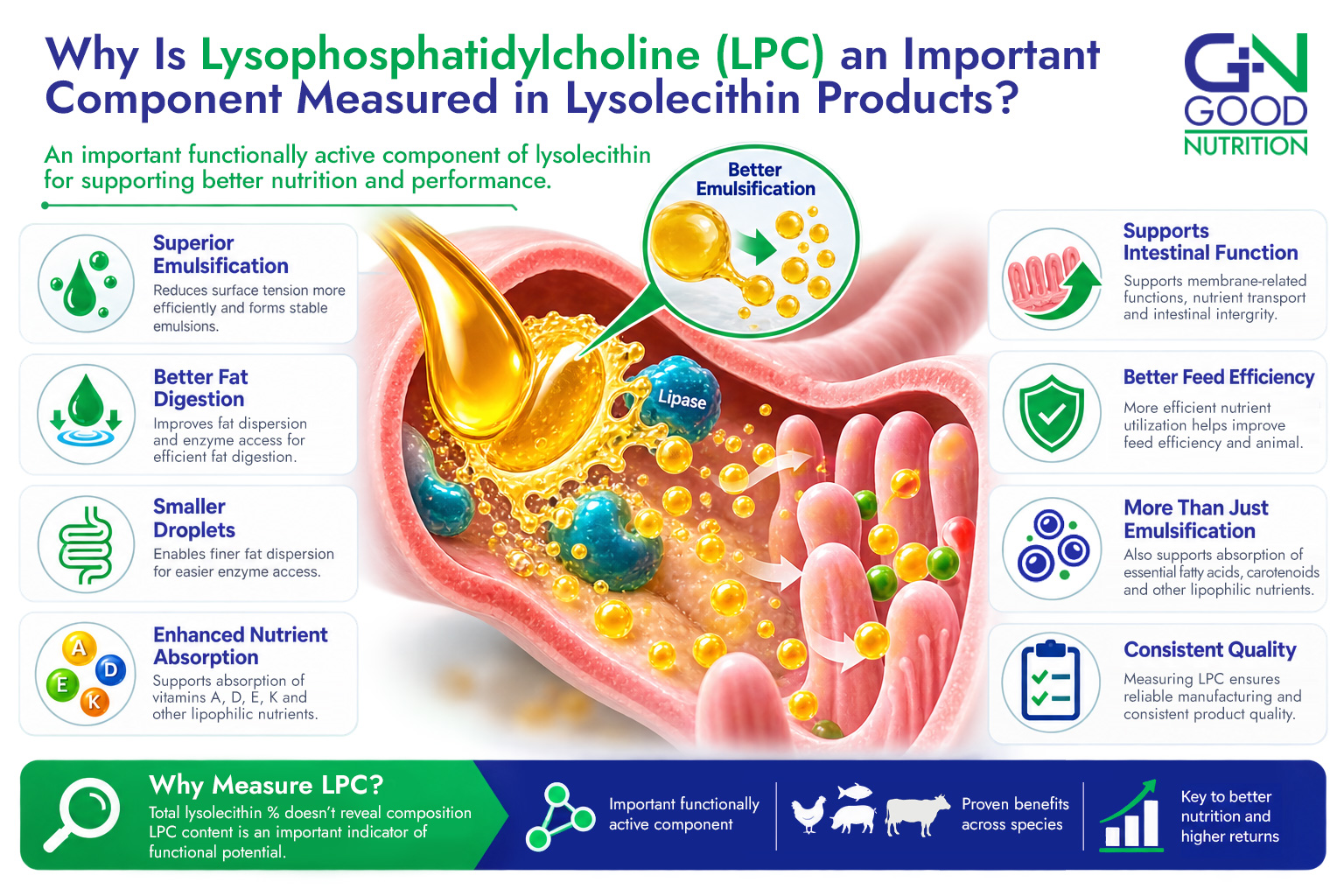
Why Is Lysophosphatidylcholine (LPC) an Important Component Measured in Lysolecithin Products?
When evaluating a lysolecithin product, lysophosphatidylcholine (LPC) is one important component to consider alongside the overall lysophospholipid profile, product consistency, physical form and relevant animal-performance data.
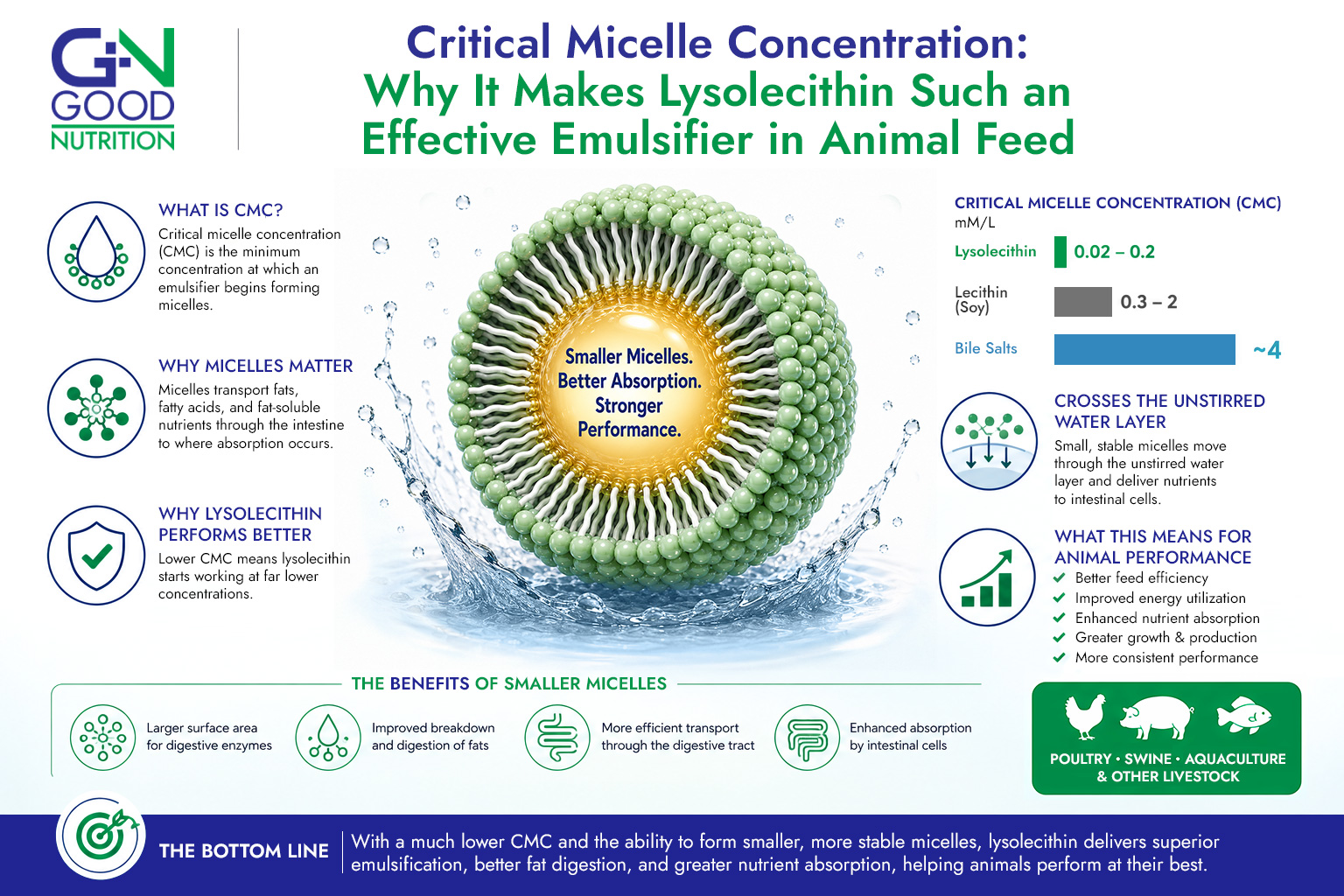
Critical Micelle Concentration: Why It Makes Lysolecithin Such an Effective Emulsifier in Animal Feed
Understanding critical micelle concentration (CMC) helps explain why lysolecithin can perform better than lecithin in some feeding situations, especially in young animals with immature digestive systems.
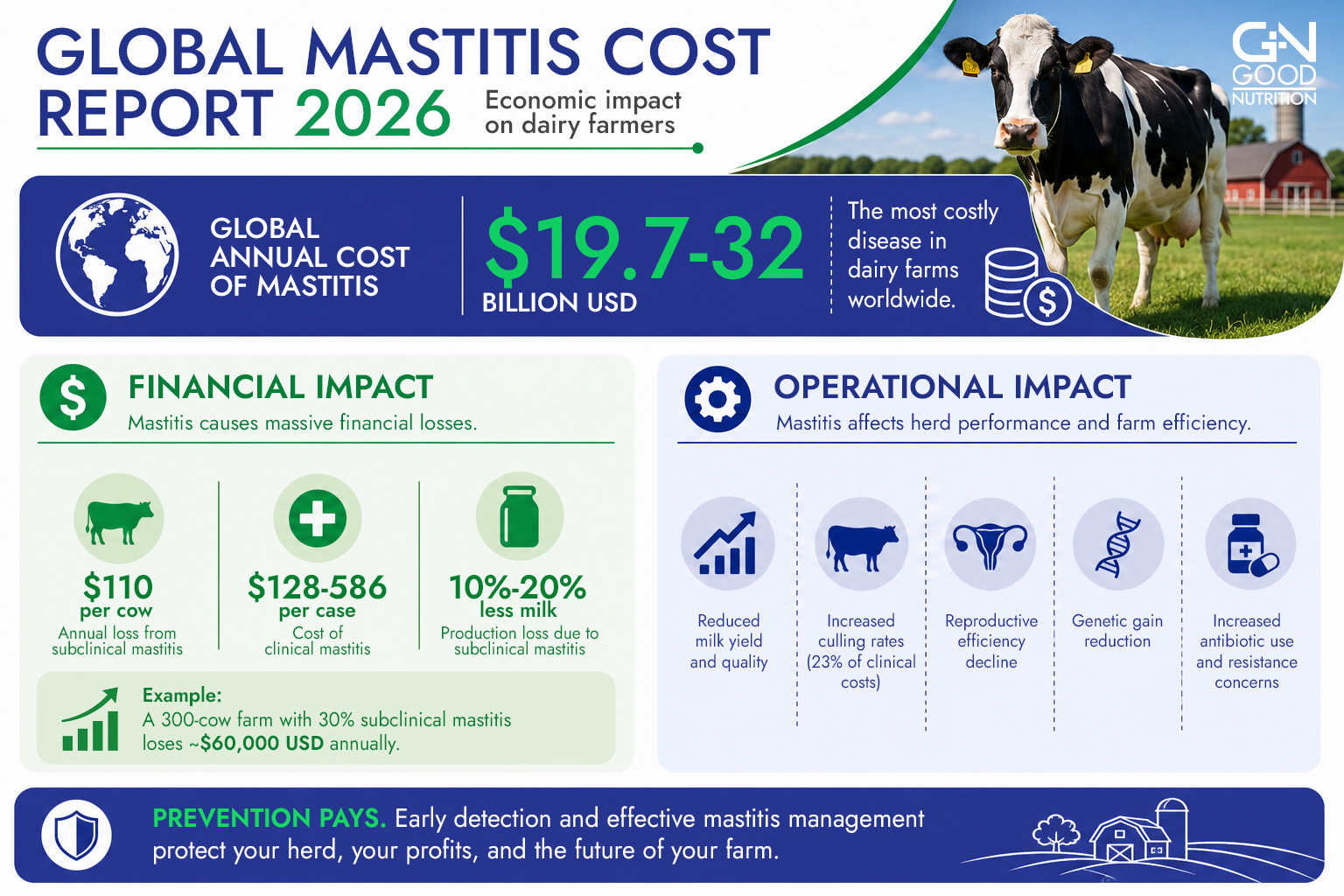
Global Mastitis Cost Report 2026
This 2026 global mastitis cost overview summarizes published economic analyses and control-strategy studies from 2020-2025. It is not a new model, but a consolidated view of what peer-reviewed research and extension work currently show about the economic burden of mastitis.