


Blog
Learn with GN Good Nutrition.
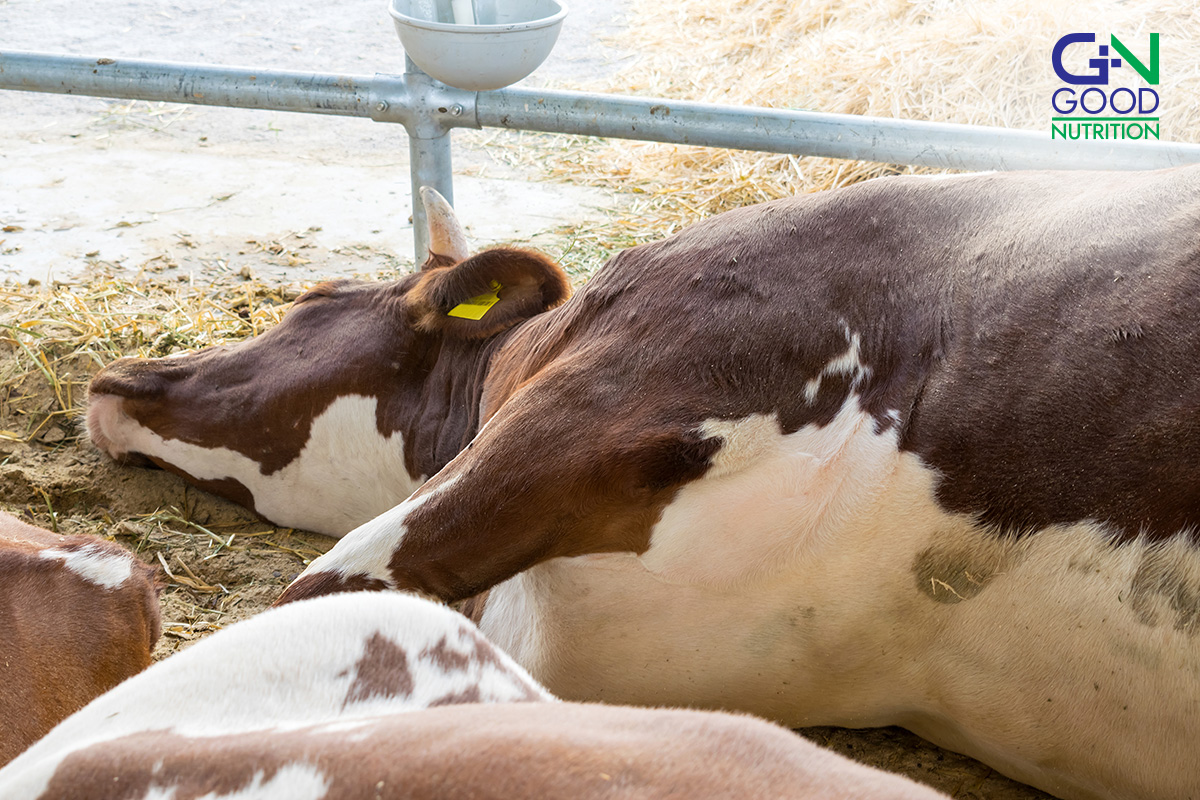
Why Some Cows Never Fully Recover from Mastitis, and What Most Farms Overlook
Most discussions around mastitis focus on pathogens, milking hygiene, and treatment strategies. These are essential, but they only address part of the issue. What often goes overlooked is what happens inside the cow during mastitis.
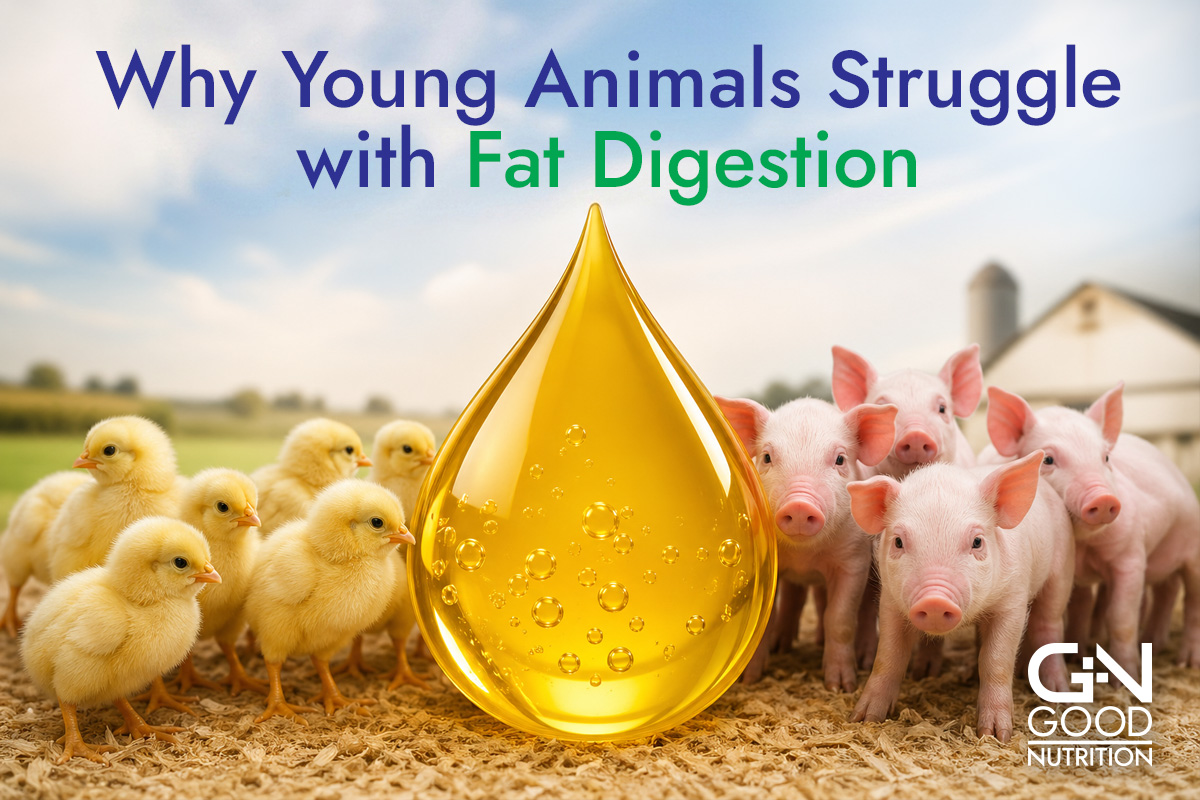
Why Young Animals Struggle with Fat Digestion, and What It Means for Performance
In the early stages of life, young animals face a hidden nutritional challenge that often goes unnoticed, their ability to digest fats is naturally limited. This is not a flaw, but a biological reality tied to how their digestive systems develop.

The Meat on Your Table Carries a Deeper Story
Today, families everywhere are feeling the pressure of rising food costs. Meat, once a staple, is becoming something people think twice about. The question is no longer just what to cook, but how to balance nutrition with affordability. What many do not see is that the answer to this challenge does not begin at the supermarket. It begins at the farm, at the level of animal nutrition.
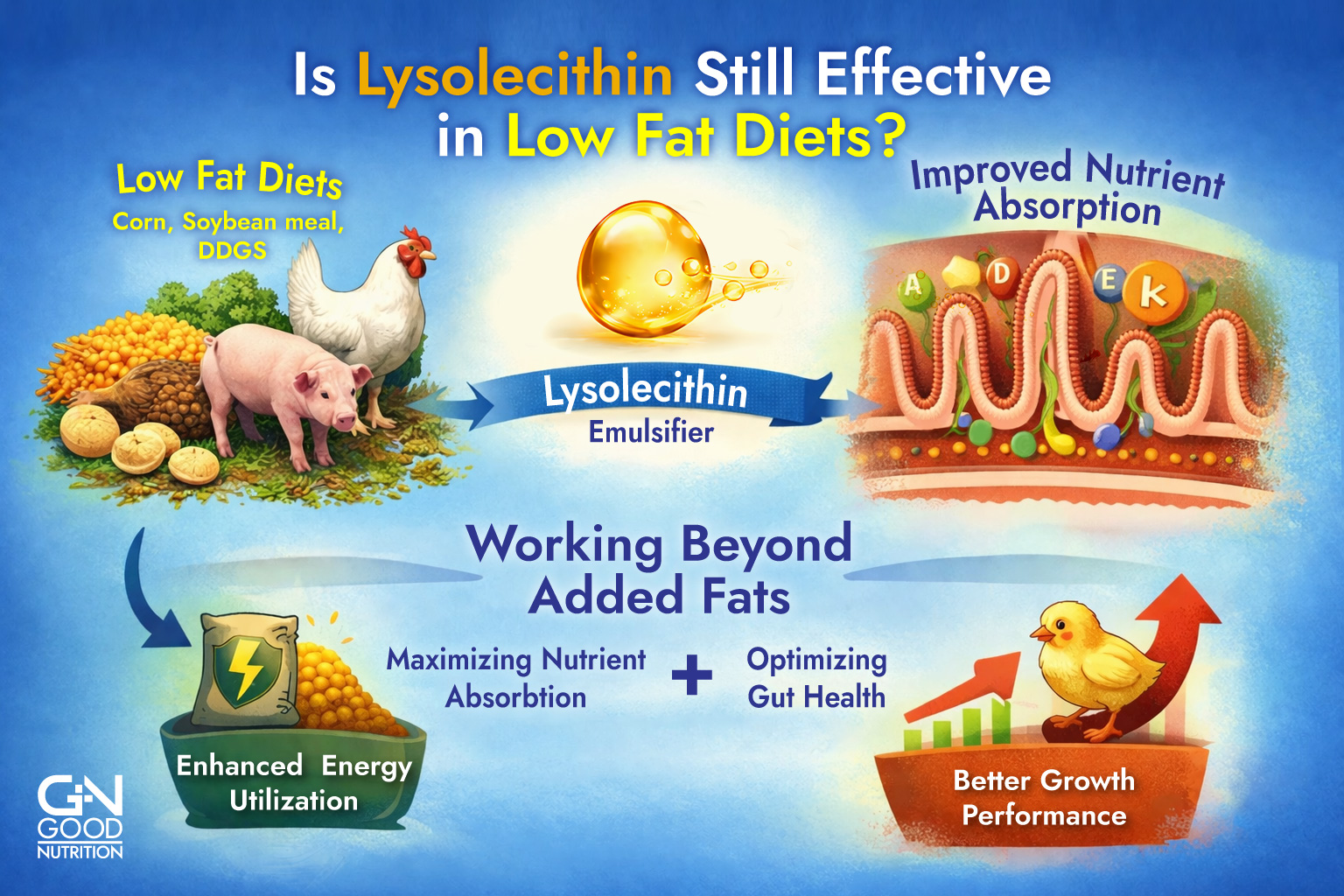
Is Lysolecithin Still Effective in Low Fat Diets? The Science Explained
In animal nutrition, lysolecithin is often associated with improving fat digestion, especially in high oil diets. But a common question remains: does it still deliver value when fat inclusion is low or when no additional oil is added?

