
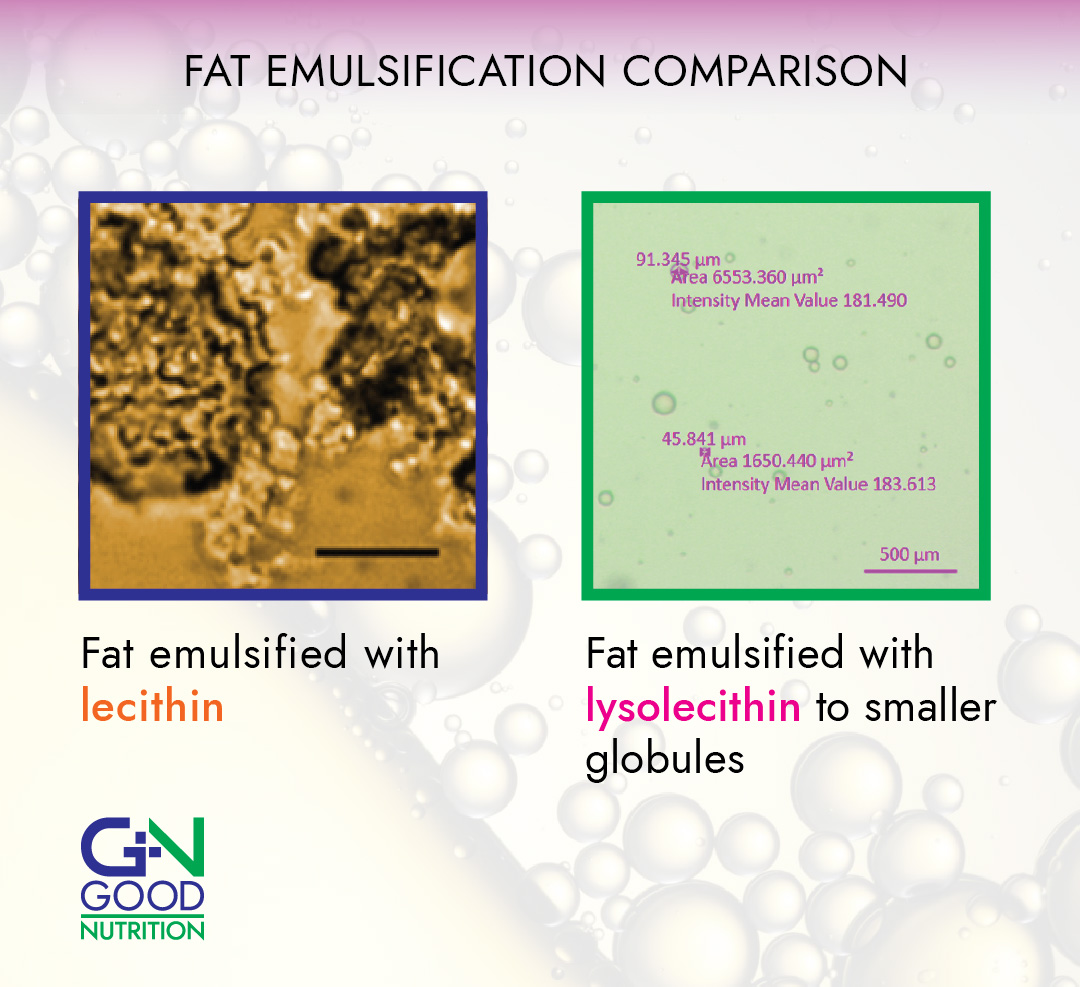
What happens when lecithin is hydrolysed?

Emulsification of lecithin vs emulsification lysolecithins in livestock and aqua

Previously, we’ve seen how lysolecithin is produced – through the process of hydrolysis of lecithin. This is a vital step as lysolecithin becomes a more effective emulsifier compared to lecithin for lipids, oils and fats for better absorption in the animal gut.

Why does lysolecithin emulsify fats better?

Lysolecithin is able to make the fat mix with water in the intestines into smaller globules compared to lecithin. The smaller globules present more surface area for enzymes like lipase to digest the fat.
More articles
Clinical vs Subclinical Mastitis
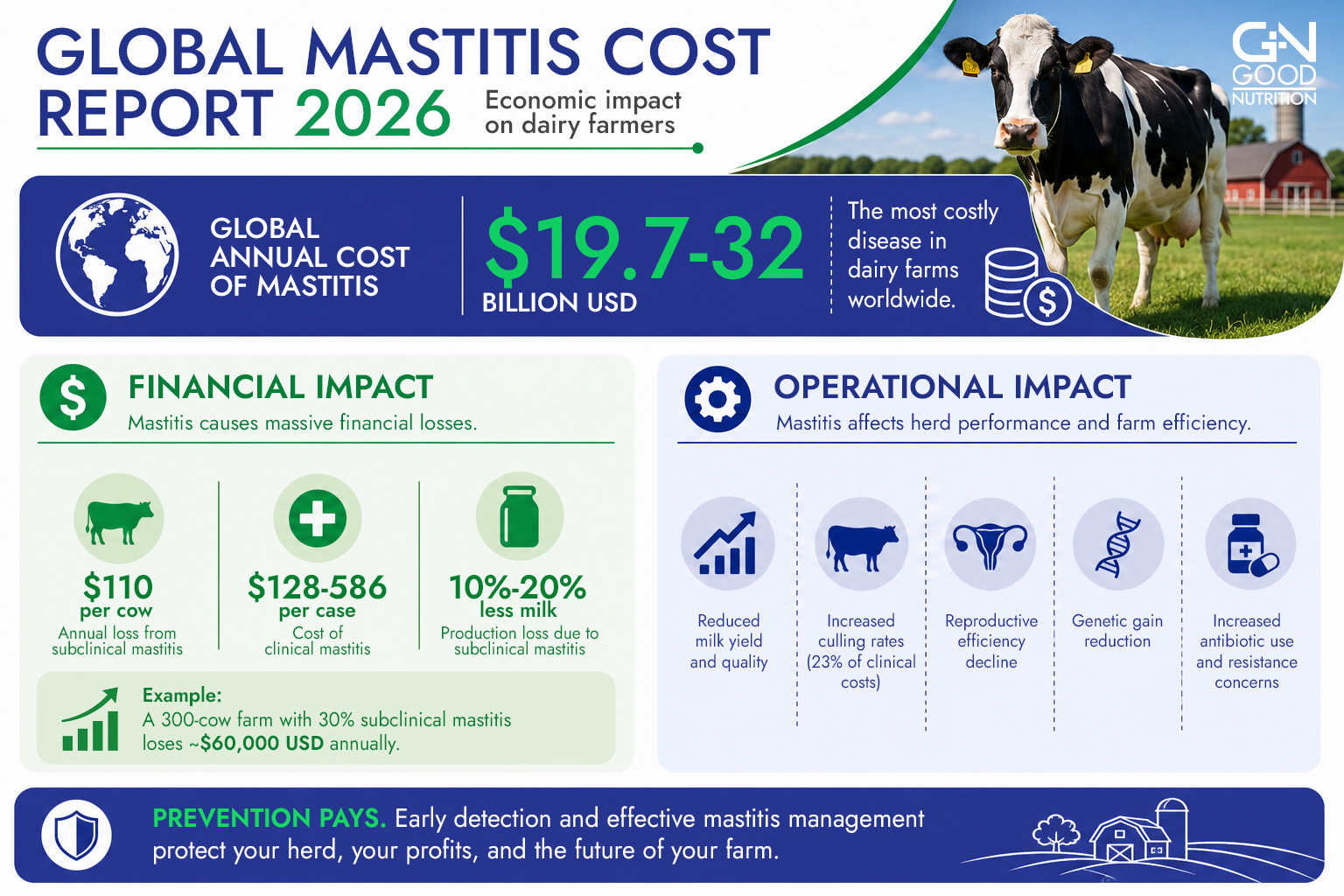
Clinical vs. Subclinical Mastitis: The Hidden Costs That Are Draining Dairy Farm Profitability
When dairy farmers think of mastitis, they often picture visible signs such as swollen udders, abnormal milk, treatments, and discarded milk—hallmarks of clinical mastitis. Yet the greatest financial losses often stem from the less obvious but more widespread threat of subclinical mastitis.
lysolecithin in low-fat diets
Why Lysolecithin Still Works Even in Low-Fat Animal Diets
For years, many nutritionists believed emulsifiers were only useful when large amounts of oil or fat were added into animal feed. After all, if there is very little added fat in the diet, what exactly is there to emulsify? But newer research is challenging that assumption.