
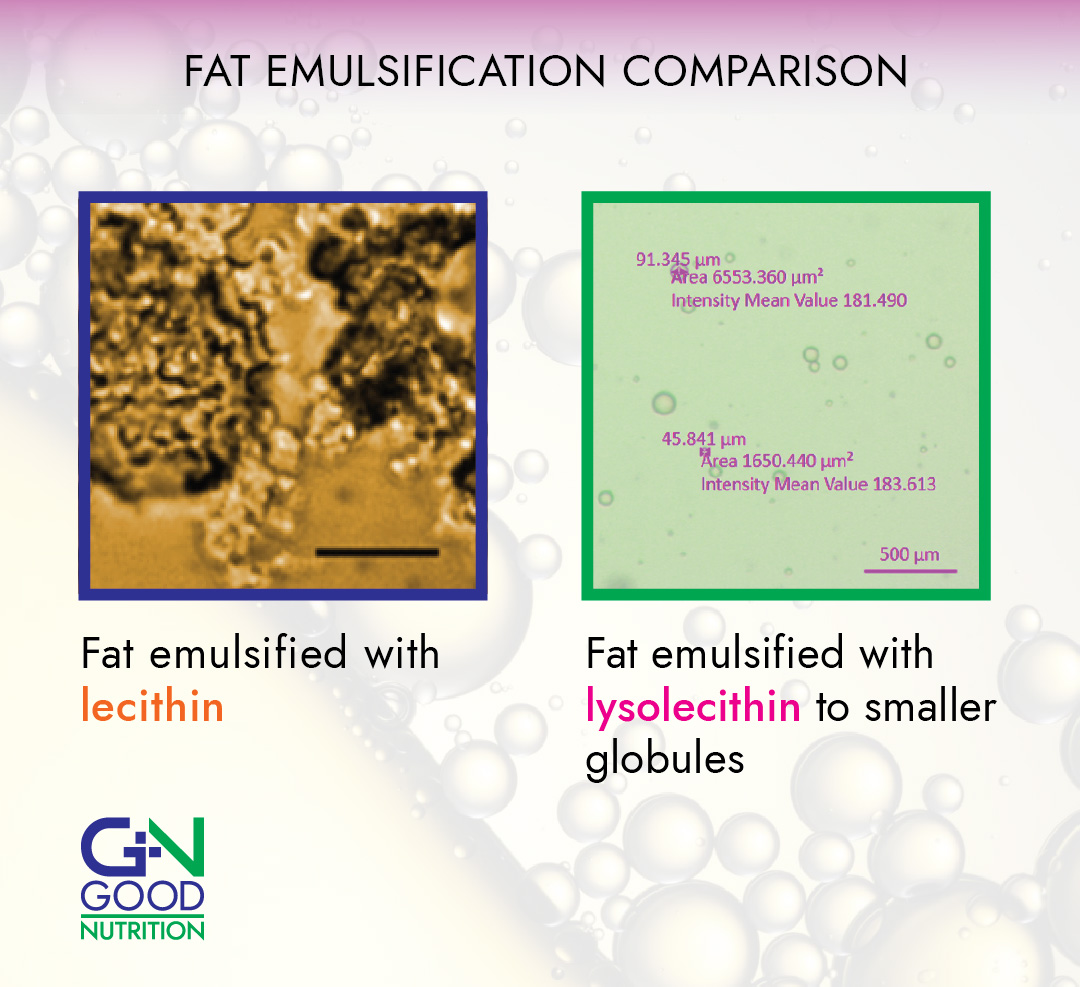
What happens when lecithin is hydrolysed?

Emulsification of lecithin vs emulsification lysolecithins in livestock and aqua

Previously, we’ve seen how lysolecithin is produced – through the process of hydrolysis of lecithin. This is a vital step as lysolecithin becomes a more effective emulsifier compared to lecithin for lipids, oils and fats for better absorption in the animal gut.

Why does lysolecithin emulsify fats better?

Lysolecithin is able to make the fat mix with water in the intestines into smaller globules compared to lecithin. The smaller globules present more surface area for enzymes like lipase to digest the fat.
More articles
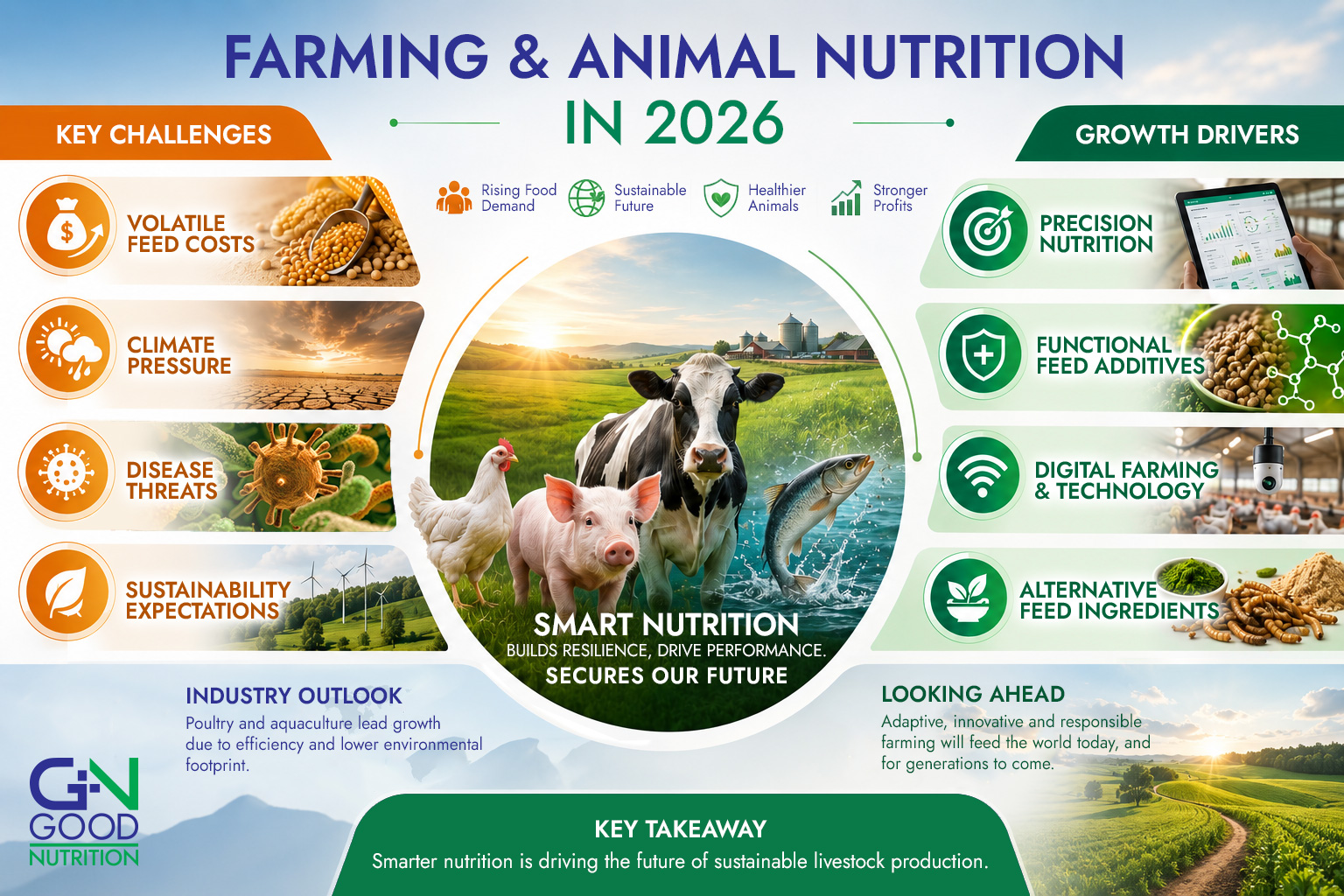
Animal Farming-Challenges-and-Growth
Farming and Animal Nutrition in 2026: Industry Status, Challenges, and Growth Drivers
In 2026, global agriculture faces the dual challenge of meeting rising food demand under intense climate and economic pressures while adhering to strict sustainability standards. In this complex environment, animal nutrition has become a strategic lever for productivity, resilience, and environmental responsibility.
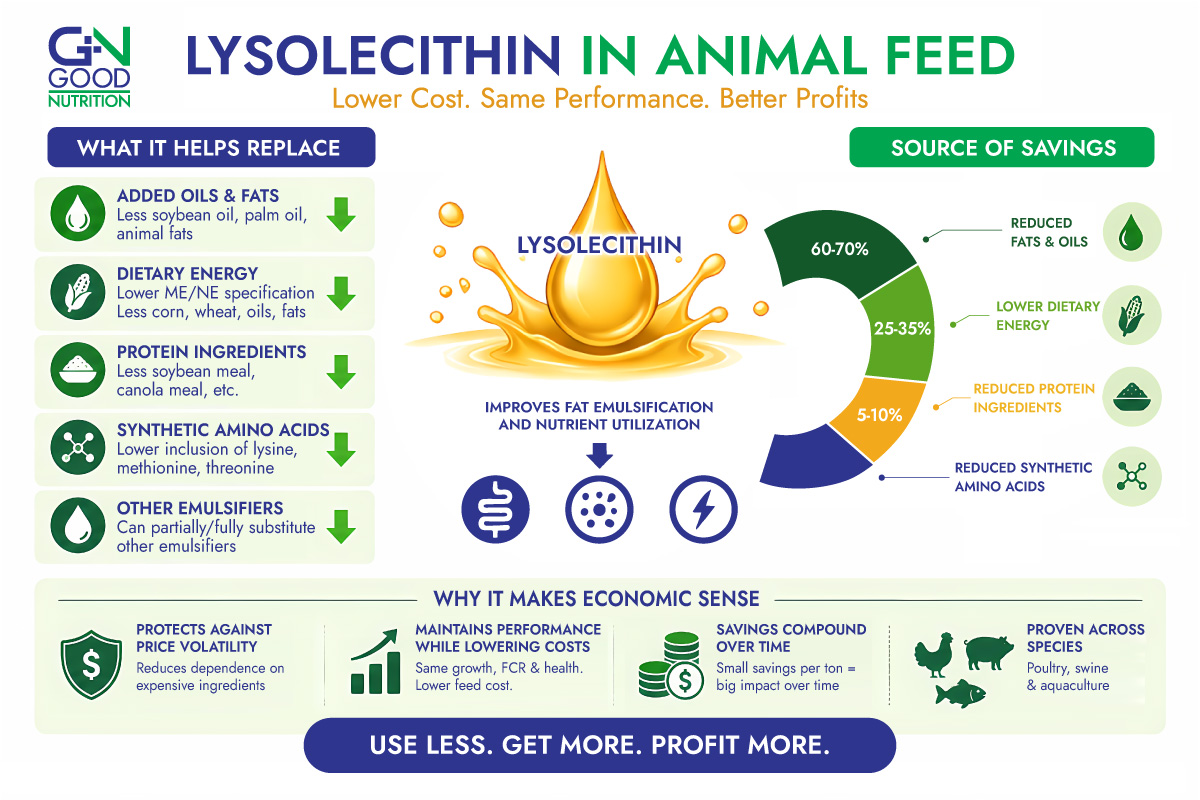
Lysolecithin Cost Benefits
Lysolecithin in Animal Feed: What It Replaces and Why It Makes Economic Sense
Feed costs continue to be one of the largest expenses in livestock production. As nutritionists and producers look for ways to improve efficiency without compromising animal performance, lysolecithin has emerged as a valuable tool in modern feed formulation.