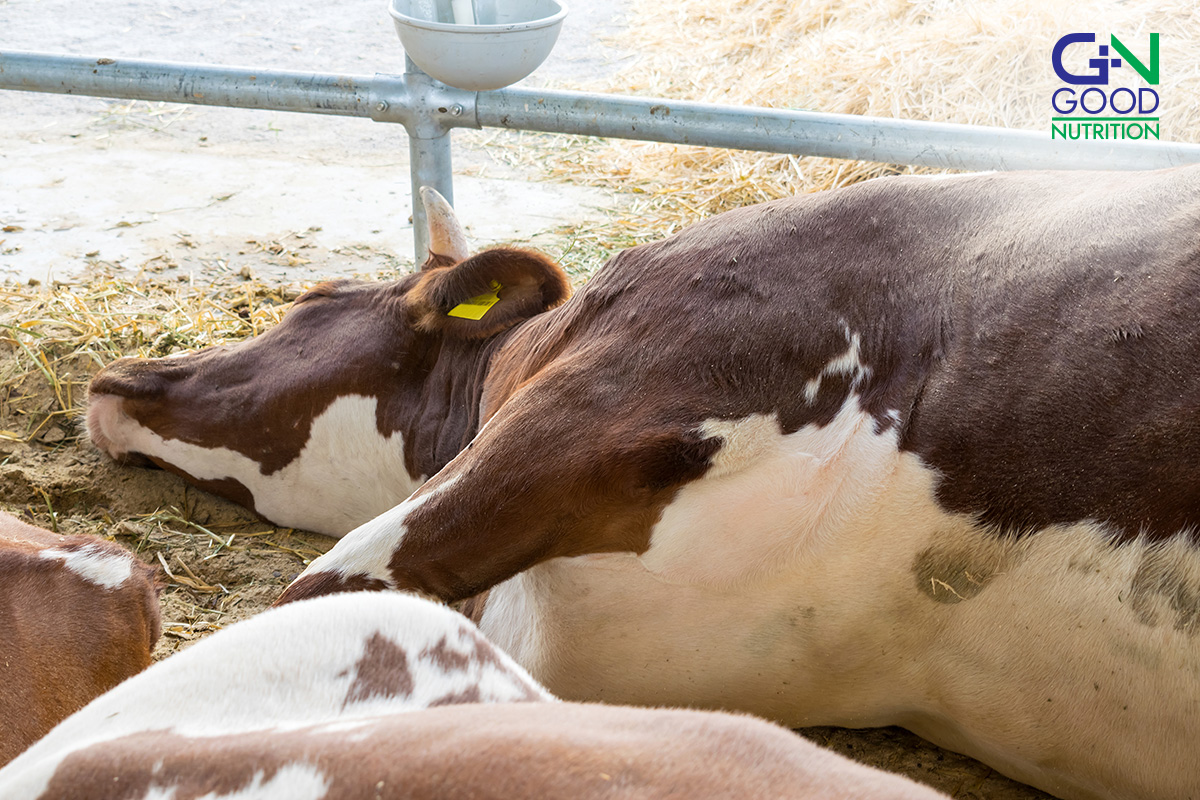
Mastitis Is Not Just an Infection Problem
Most discussions around mastitis focus on pathogens, milking hygiene, and treatment strategies. These are essential, but they only address part of the issue.
What often goes overlooked is what happens inside the cow during mastitis.
When infection occurs, the cow’s immune system is activated rapidly. This response is necessary to fight invading bacteria. However, it also triggers inflammation, a natural but complex process that places significant stress on the animal.
At the same time, the cow’s body begins to redirect energy away from production and toward survival.
This creates a critical imbalance.
The Hidden Cost of Inflammation
Inflammation plays an important role in eliminating infection. But when it becomes excessive or prolonged, it can lead to unintended consequences.
These include:
- Damage to udder tissue
- Reduced milk synthesis
- Slower recovery times
- Increased risk of recurring mastitis
In many cases, the infection may be cleared, but the internal effects of inflammation remain.
This is why two cows under the same management conditions can experience very different recovery outcomes.
Why Some Cows Recover Faster Than Others
Recovery is not only about eliminating bacteria. It is also about how well the cow manages the stress and inflammation caused by the infection.
Cows that recover more efficiently tend to:
- Regulate inflammation more effectively
- Preserve udder tissue integrity
- Maintain better nutrient utilization during stress
On the other hand, cows that struggle often experience prolonged inflammatory responses, leading to deeper tissue damage and longer term production losses.
This highlights an important shift in thinking.
Mastitis management should not stop at treatment. It should also consider how to support the cow through recovery.
Where Nutrition Becomes Part of the Solution
While hygiene and milking practices reduce the risk of infection, nutrition plays a key role in how cows respond to challenges like mastitis.
During periods of stress:
- Feed intake may decrease
- Nutrient demands increase
- The efficiency of nutrient use becomes even more critical
Supporting the cow nutritionally can help:
- Maintain immune function
- Manage inflammatory responses
- Improve recovery efficiency
This is an area that is gaining increasing attention in modern dairy management.
A More Complete Approach to Mastitis Management
Solutions that focus on supporting the cow’s internal response, particularly inflammation and recovery, are becoming an important part of a broader mastitis strategy.
Mastiguard was developed with this approach in mind, designed to support cows during periods of inflammatory stress and help maintain overall resilience.
Rather than focusing only on the pathogen, this approach considers the cow as a whole system.
Looking Beyond Treatment
At GN Good Nutrition, we believe mastitis management goes beyond controlling infection.
It involves understanding the full biological impact on the animal, from immune response to recovery, and supporting the cow through each stage. By combining sound management practices with targeted nutritional strategies, farms can move toward not just treating mastitis, but reducing its long term impact on productivity and herd health.