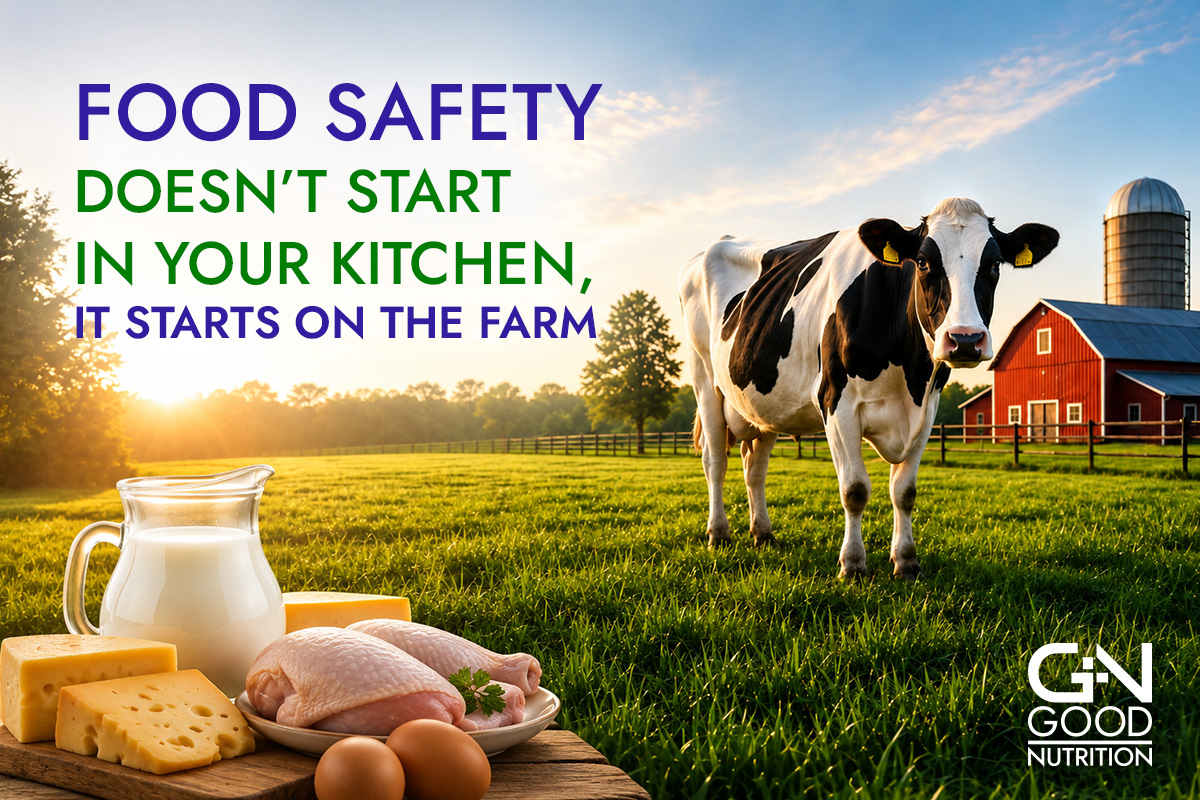
When people think about food safety, they often focus on what happens in the kitchen or at the supermarket. Expiry dates, refrigeration, and proper cooking methods tend to dominate the conversation. Yet, the true foundation of food safety is laid much earlier, beginning on the farm itself.
Long before milk is poured into a glass or meat is served on a plate, animal health and farm conditions plays a defining role in determining the safety, quality, and nutritional value of that food.
Farm hygiene is one of the first and most critical lines of defense. Clean housing, proper waste management, and well-maintained milking equipment significantly reduce the exposure of animals to harmful pathogens. In dairy farming, studies have shown that improved milking hygiene alone including pre-milking teat disinfection and equipment sanitisation can reduce bacterial contamination in milk by up to 80 percent compared to farms with poor hygiene practices. This directly impacts not only shelf life but also the safety of the final product consumed by people.
However, hygiene alone is not enough.
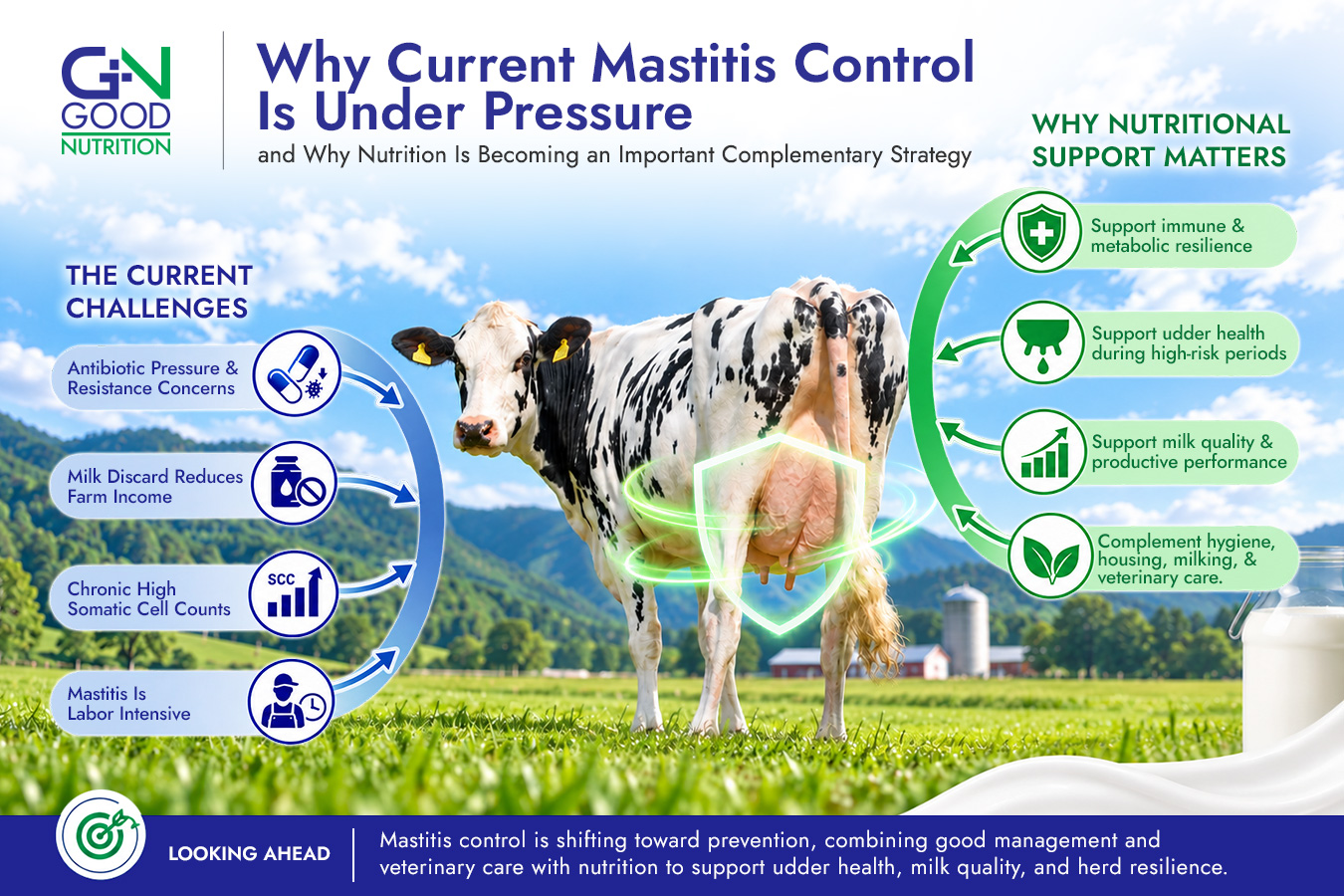
Even in well-managed environments, animals are constantly exposed to stress, environmental changes, and naturally occurring microbes. When animal health is compromised, the consequences extend far beyond the farm. Take mastitis as an example, one of the most common diseases in dairy cows. Research indicates that mastitis can increase somatic cell counts (a sign of infection) in milk significantly, often causing milk to fail regulatory quality standards , while also reducing milk yield by up to 10 to 20 percent. More importantly for consumers, mastitis alters milk composition, reducing beneficial components such as lactose and casein, which are essential for nutritional quality.
In many cases, poor animal health leads to increased reliance on antibiotics. According to global agricultural data, approximately 70 percent of medically important antibiotics are used in livestock production. While antibiotics are necessary for treating disease, their overuse or misuse raises concerns about antibiotic residues and the growing issue of antimicrobial resistance, which the World Health Organization has identified as one of the top global health threats.
This is where the connection between animal health and human health becomes very real.
Healthier animals require fewer medical interventions. When livestock are supported through proper nutrition and management, their immune systems are stronger, reducing both the incidence and severity of disease. Studies have shown that improving nutritional balance, particularly through adequate trace minerals and immune-supporting nutrients, can enhance immune function and disease resistance in livestock , leading to lower infection rates and improved recovery.
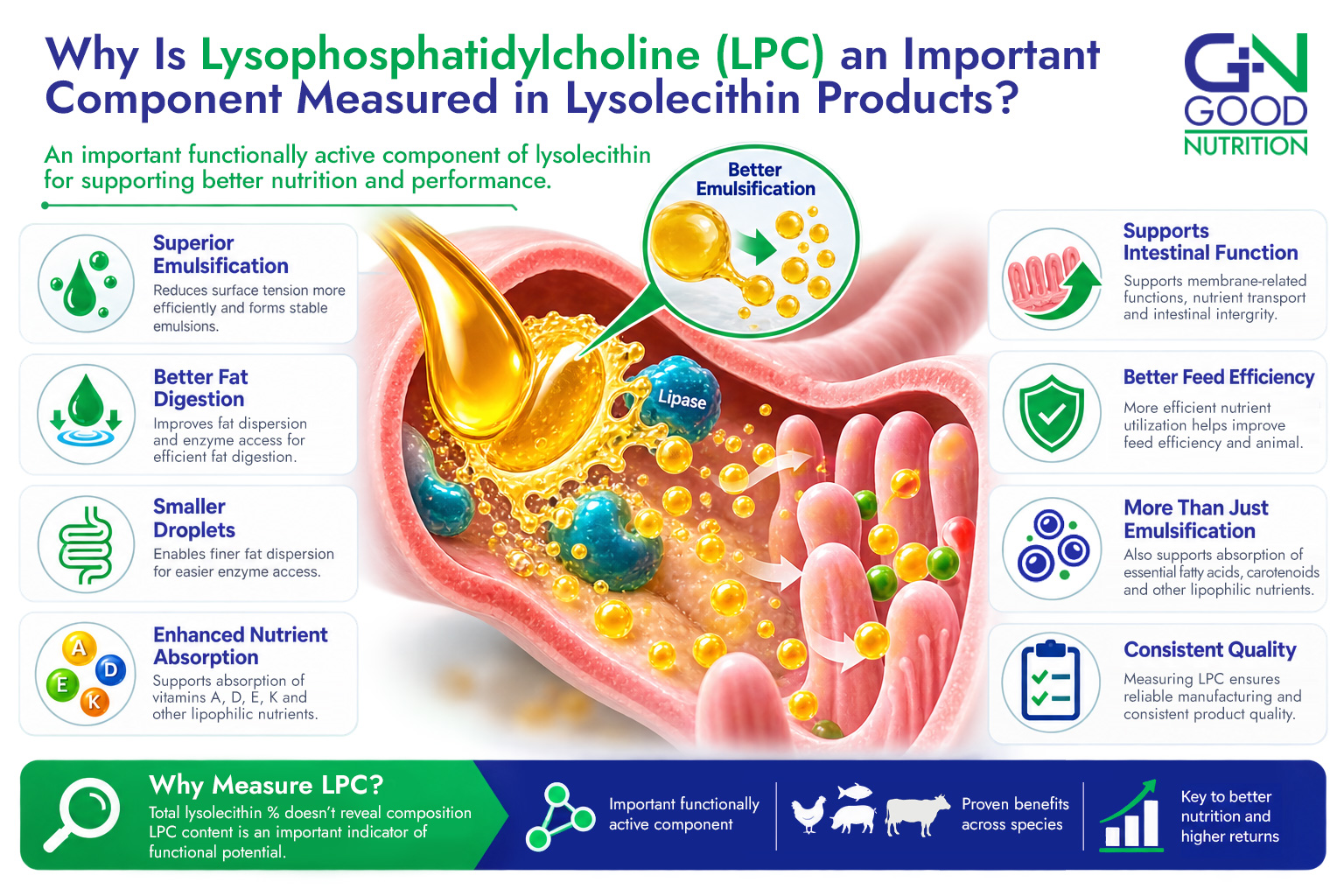
This has a direct impact on food quality. Healthier animals produce milk and meat with more stable composition, better protein quality, and improved safety profiles. For example, research has demonstrated that well-nourished dairy cows produce milk with higher concentrations of essential nutrients such as calcium and beneficial fatty acids, which are important for human health, particularly for children and the elderly.
Beyond nutrition, there are broader public health implications. Reduced disease prevalence in livestock leads to lower antibiotic use, which contributes to slowing the spread of antibiotic resistance. This is not just a farming issue, it is a global health priority.
Consumers today are increasingly aware of where their food comes from and how it is produced. They are looking for food that is not only safe, but also responsibly and sustainably produced. What many may not realize is how closely these expectations are tied to everyday decisions made on the farm.
When farms prioritize hygiene, animal welfare, and proper nutrition, the benefits extend across the entire food chain. Farmers experience better productivity and reduced losses. Animals remain healthier and more resilient. And consumers receive food that is safer, more nutritious, and more consistent in quality.
Food safety, therefore, is not a single checkpoint. It is a continuous process that begins with how animals are cared for and supported from the very start.
At GN Good Nutrition, this is the bigger picture that drives everything we do. By focusing on strengthening animal health through science-based nutritional solutions and supporting farmers with practical tools and knowledge , we contribute to a system where better farming practices lead to better outcomes for everyone.
Because in the end, healthier livestock does not just mean better farms. It means safer, more nutritious food, and ultimately, better health for families.