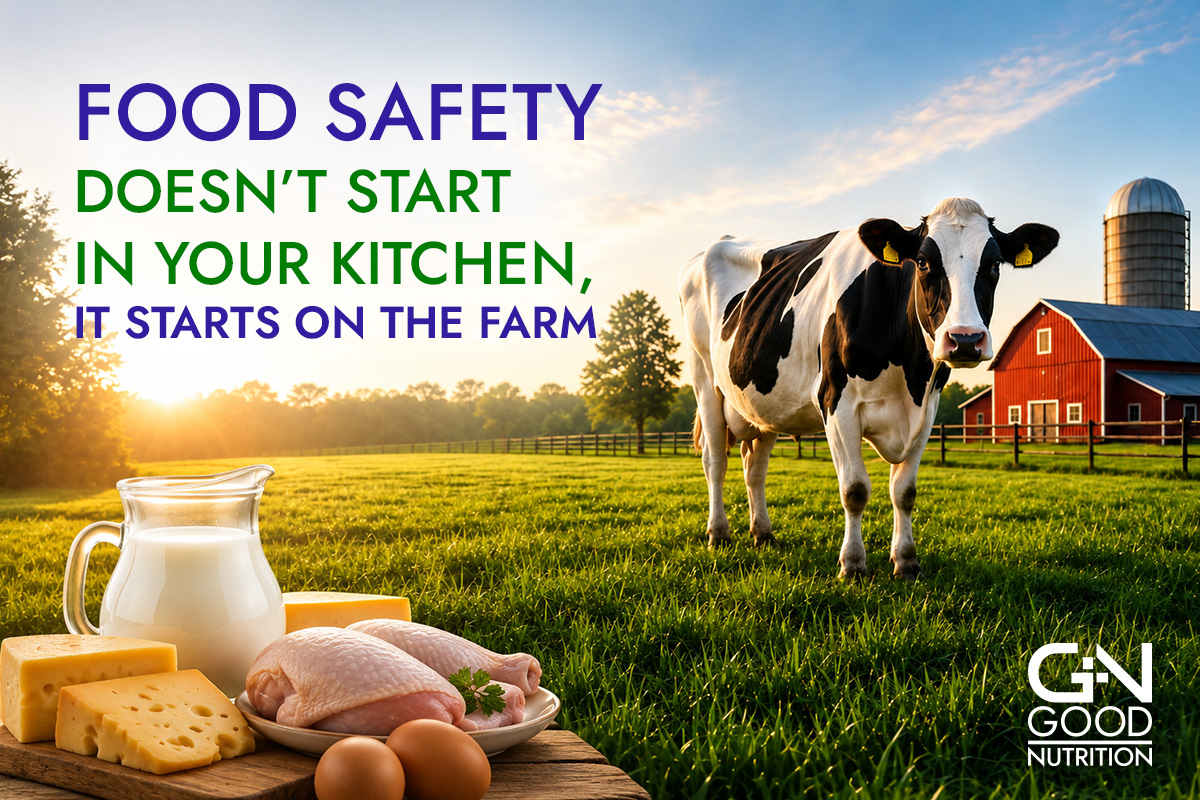

At the end of the day, when a family gathers around the table, the meal placed in the center often feels simple. A dish of meat, shared among loved ones, represents comfort, provision, and care. Yet behind that moment is a complex journey shaped by science, responsibility, and decisions made long before the food ever reaches the plate.
Today, families everywhere are feeling the pressure of rising food costs. Meat, once a staple, is becoming something people think twice about. The question is no longer just what to cook, but how to balance nutrition with affordability. What many do not see is that the answer to this challenge does not begin at the supermarket. It begins at the farm, at the level of animal nutrition.
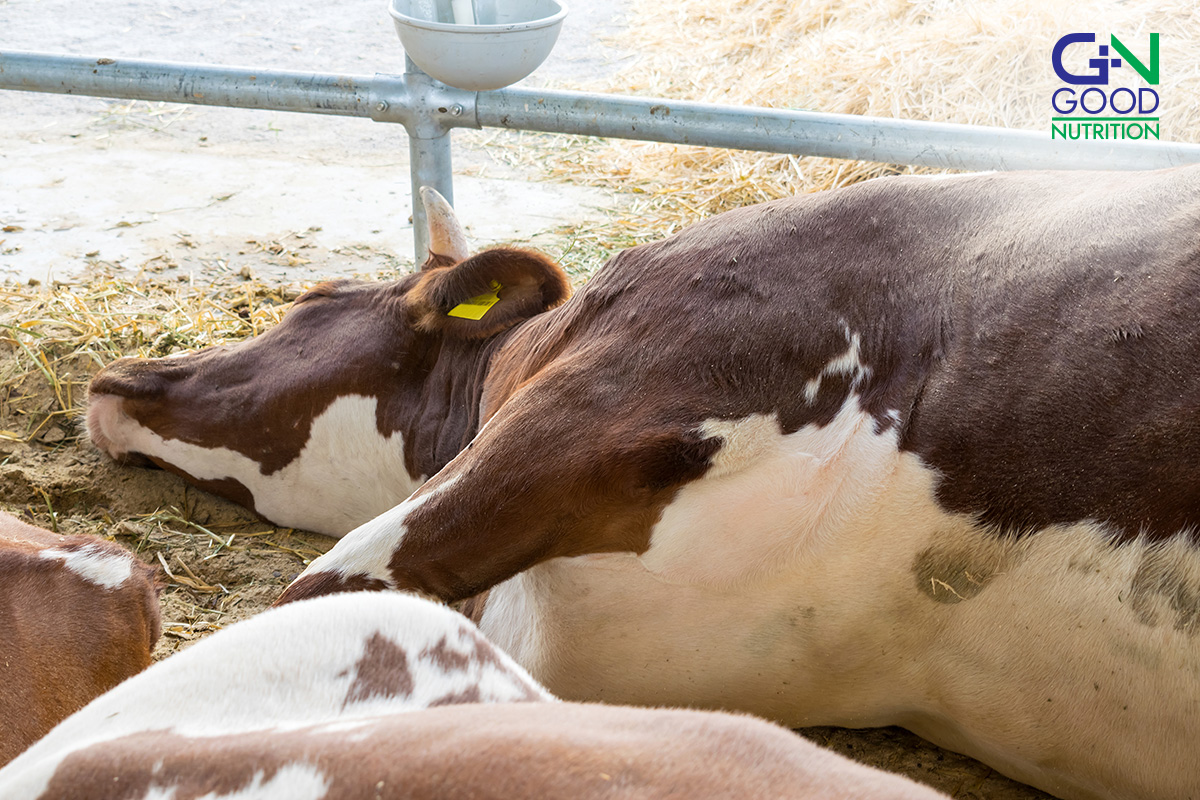
When animals are not fed with precision and care, inefficiencies begin to build. Feed is one of the largest costs in livestock production, often accounting for up to 70 percent of total expenses. If nutrients are not properly digested and absorbed, a significant portion of that feed is wasted. This leads to slower growth, weaker animals, and higher susceptibility to disease. Farmers are then forced to spend more on additional feed, treatments, and time, all of which increase the cost of producing meat.
The science of feed efficiency is where transformation begins. Products like lysolecithin play a critical role in improving fat digestion, even in diets that are low in added fats. In the animal’s digestive system, fats are naturally difficult to break down because they are not water soluble. Lysolecithin acts as an emulsifier, increasing the surface area of fat droplets and allowing digestive enzymes such as lipase to work more effectively. This process enhances the formation of micelles, which are essential for transporting fatty acids across the intestinal wall for absorption.
The result is not just better fat utilization, but improved absorption of all fat soluble nutrients, including vitamins A, D, E, and K. Studies have shown that improving fat digestibility can increase overall energy utilization, which directly contributes to better growth rates and improved feed conversion ratios. Even a small improvement in feed conversion, for example from 1.7 to 1.6, can translate into substantial cost savings when applied across large scale production.
At the same time, trace minerals such as zinc proteinate are critical in supporting the animal’s immune system. Zinc is essential for the development and function of immune cells, including phagocytes and lymphocytes, which are involved in recognizing and eliminating harmful pathogens. It also contributes to the protection of cells from oxidative damage by supporting zinc‑dependent enzyme systems and cellular defense mechanisms, helping to limit oxidative stress during periods of inflammation or immune challenge. In addition, zinc supports enzyme activity, epithelial and barrier integrity, and immune signaling pathways, helping to maintain an immune response that is effective while avoiding excessive or chronic inflammation.
When these nutrients are delivered in highly bioavailable forms, animals are better equipped to resist infections naturally. This reduces the need for antibiotics, lowers mortality rates, and ensures more consistent production outcomes. Healthier animals grow more efficiently, convert feed more effectively, and produce higher quality meat with better composition and nutritional value.
All of these improvements create a ripple effect throughout the production chain. When feed is used more efficiently, farmers spend less on inputs. When animals are healthier, fewer resources are lost to disease. When production becomes more predictable, supply stabilizes. These efficiencies reduce the cost per kilogram of meat, making it more accessible without compromising quality.
This is where science meets real life. The innovations applied at the level of animal nutrition directly influence what families experience at the table. Better nutrient absorption leads to stronger animals. Stronger animals lead to more efficient production. More efficient production helps stabilize prices and ensures that nutritious meat remains within reach for more households.
At GN Good Nutrition, this connection drives every formulation. The goal is not just to enhance performance on the farm, but to support a system that benefits both producers and consumers. By focusing on nutrient efficiency, gut health, and immune support, the impact extends far beyond the farm.
So when a family sits down to share a meal, that piece of meat represents more than nourishment. It reflects a chain of scientific precision, responsible farming, and thoughtful innovation. It represents a system working quietly in the background to ensure that food remains both nutritious and attainable.
In a time when every household is watching their spending, this matters deeply. Because true nutrition is not just about feeding animals. It is about building a system that sustains farmers, supports economies, and allows families to gather around the table with confidence, knowing they can provide both quality and care.