
In broiler production, fats and oils are often seen simply as concentrated sources of energy but their impact reaches much further. The right balance of lipids can enhance carcass quality, optimize yield, and even influence meat composition and consumer satisfaction.
We continue to study how smarter fat nutrition not only fuels growth but also supports sustainability and long-term animal health.
1. Fatty Acid Composition
The type of dietary fat directly determines the fatty acid profile of broiler meat. Diets high in polyunsaturated fatty acids (PUFAs) such as flaxseed or canola oil can increase the levels of beneficial omega-3 fatty acids, improving the nutritional value of poultry meat. These fatty acids contribute to healthier products for consumers, without compromising carcass yield or dressing percentage.
2. Carcass Yield and Dressing Percentage
Research consistently shows that supplementing broiler diets with appropriate lipid levels can improve carcass yield and dressing percentage. Optimized fat inclusion supports better energy utilization, muscle growth, and overall feed conversion efficiency.
3. Reduction of Abdominal Fat
One of the key benefits of replacing saturated fats (like tallow) with unsaturated oils lies in reduced abdominal fat deposition. Unsaturated fats stimulate fatty acid β-oxidation and inhibit fat synthesis, resulting in leaner carcasses and more efficient feed utilization.
4. Oxidative Stability
While unsaturated fats enhance the fatty acid profile, they are also more susceptible to oxidation, which can shorten shelf life and affect meat flavor. Balancing fat sources with dietary antioxidants is critical to maintaining meat stability and quality throughout storage.
5. Water Holding Capacity and Juiciness
Although dietary lipids may not significantly change water-holding capacity, their inclusion can influence juiciness and cooking loss, improving the sensory appeal of poultry meat — particularly in premium markets where eating quality matters.
The Role of Emulsification
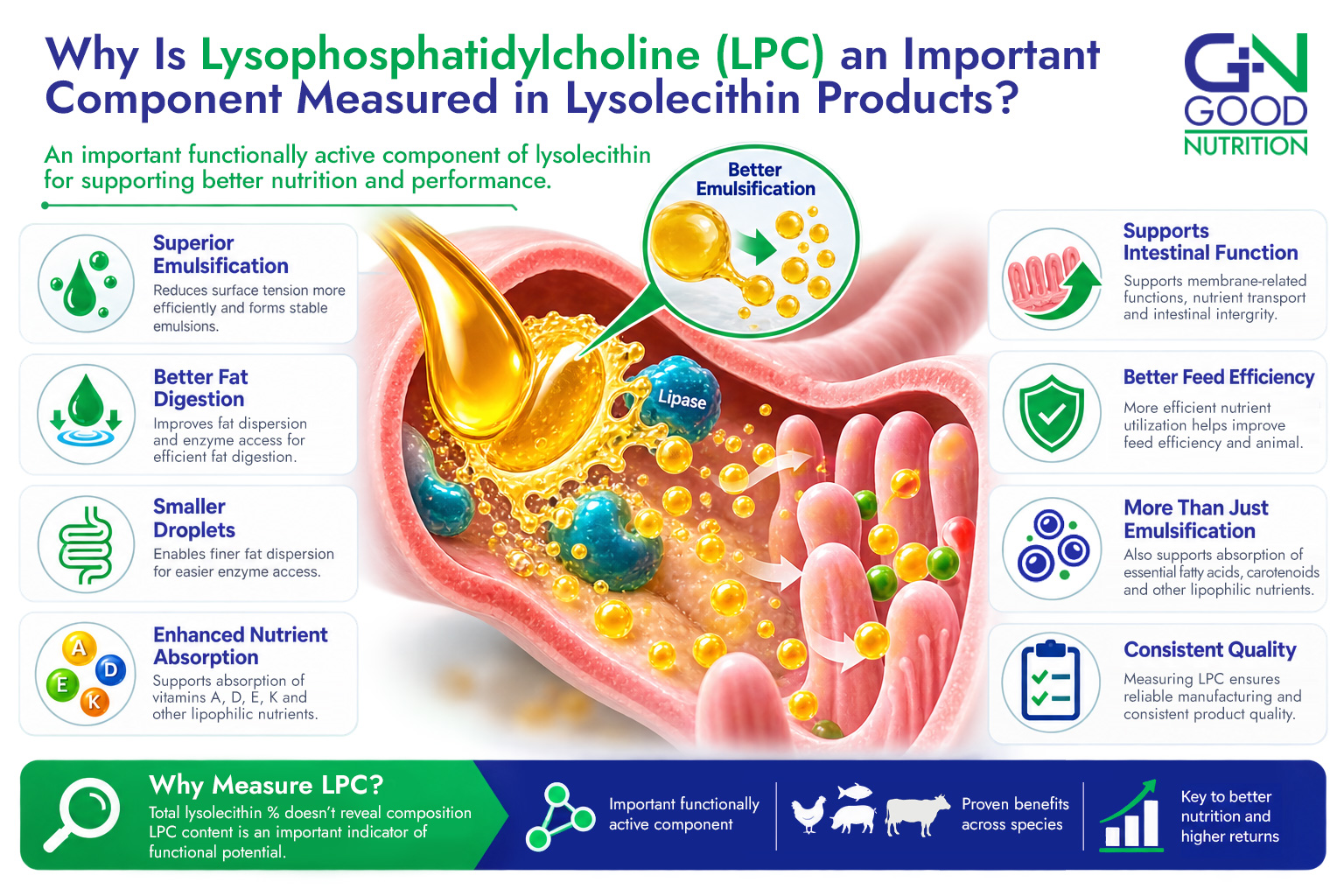
Because fats are insoluble in water, their digestion depends on efficient emulsification within the gastrointestinal tract. Well-emulsified fats are easier to digest and absorb, providing more usable energy to the bird.
That’s where Vitalsorb™ Pure, comes in an advanced phospholipid-based emulsifier formulated by GN Good Nutrition.
Vitalsorb™ Pure promotes stable oil-in-water emulsions, improving the digestion and absorption of dietary fats and oils, especially saturated fats. The result? Better feed efficiency, higher energy yield, and improved carcass quality naturally.
Balancing Efficiency and Sustainability
The key to effective lipid nutrition lies in achieving the right balance between nutritional science, production efficiency, and sustainability. Every poultry operation is unique and consulting with professionals helps tailor fat supplementation strategies to specific farm goals.
We remain committed to delivering science-driven, sustainable solutions that help farmers achieve higher efficiency while supporting animal welfare and environmental stewardship.
Because in the end, it’s more than just energy, it’s Nutrition that Builds Legacies.