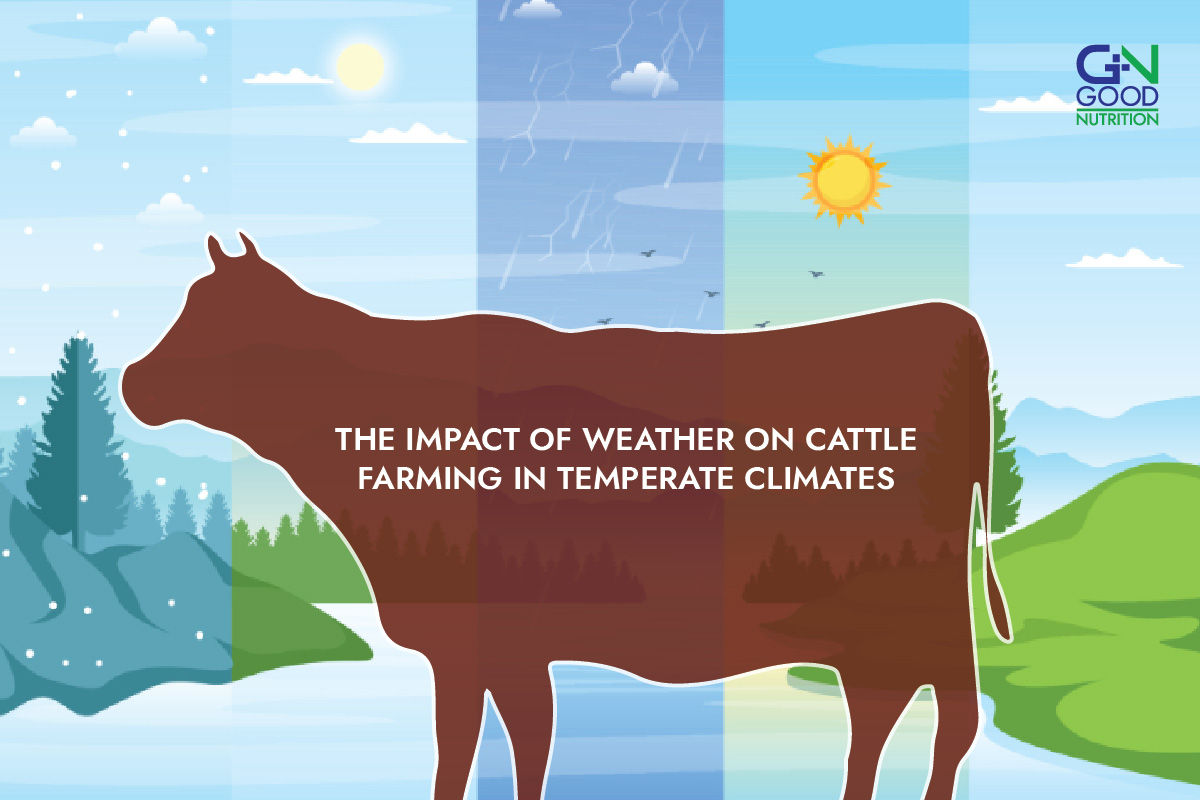
Weather in temperate climates significantly influences animal farming, presenting both advantages and challenges for farmers. These climates, characterized by distinct seasonal changes, can positively and negatively affect livestock health, productivity, and welfare.
Positive Effects
During spring and summer, moderate temperatures and ample rainfall promote lush pastures, providing high-quality forage for grazing animals like cattle and sheep. This enhances their nutrition, leading to improved weight gain, milk production, and overall health. Additionally, natural breeding cycles align with seasonal changes, ensuring that offspring are born during favorable conditions, increasing survival rates and growth.
Negative Effects
However, temperate climates also bring challenges. Extreme weather events, such as heatwaves and cold spells, can stress animals, reducing feed intake, milk production, and growth rates. Excessive rainfall can cause flooding and waterlogged pastures, limiting grazing and causing hoof problems. Prolonged droughts lead to feed shortages and water scarcity, increasing production costs and affecting animal health.
Adaptation Strategies
To mitigate these challenges, farmers are adopting various strategies:
1. Diversifying Feed Sources: Ensuring a mix of forage, grains, and supplements to buffer against seasonal variability.Improving Shelter:
2. Providing insulated barns for winter and shaded areas for summer to protect animals from extreme weather.
3. Water Management: Implementing efficient water storage and irrigation systems to secure reliable water supplies during droughts.
4. Planning: Utilizing weather forecasts and climate models to plan breeding, feeding, and grazing schedules effectively. By adopting these strategies, farmers can enhance the resilience of their operations, ensuring the health and productivity of their livestock in the face of changing weather patterns.