Energy intake is the main determinant of live weight gain of cattle. Therefore, maximizing energy intake is important, particularly for feedlot cattle where above average growth rates are expected. Although the major reason for feeding fats and oils is for their energy density, other benefits are well recognised:
Fats are commonly supplemented to beef cattle rations to increase dietary energy density (fats contain approximately 2.25 times more energy than cereals, and don’t add to the acid load in the rumen). Furthermore, the heat increment associated with digestion and metabolism of fat is much lower than other feed ingredients, helping to combat heat stress. On the other hand, when cattle are experiencing cold stress related reduced dry matter intake, the addition of fat increases the dietary energy concentration to compensate for the reduced intake, and so contributes to maintaining higher levels of animal performance.
Inclusion of fats and oils also enhances average daily gains, increases feed use efficiency, and improves carcass characteristics.
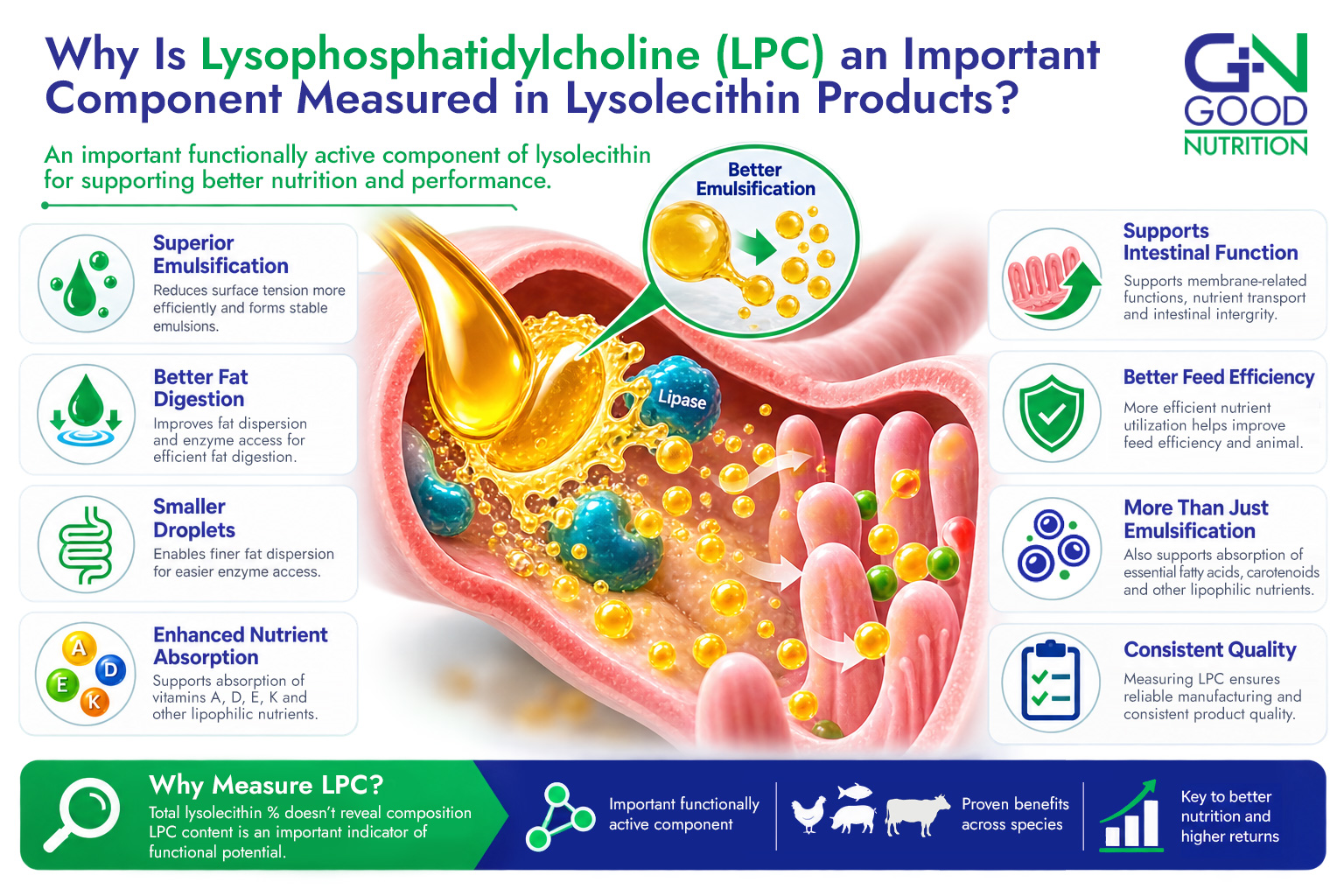
Fats also aid in the absorption of fat-soluble nutrients, such as vitamins A, D, E and K, and carotenoids.
However, with the recent high prices of fats, strategies to improve cost-effectiveness needs to be considered, particularly as prices are expected to remain historically high.
Vitalsorb™ Pure is an emulsifying agent containing phospholipid components to support oil-in-water emulsions for the superior digestion and absorption of dietary fats and oils, particularly saturated fats.