Continuing our series of farmer-adopted guidelines, we’re emphasising the importance of these practices which have proven to have a significant impact on lifetime performance. With our Vitalsorb Pure lysolecithin, read on to know more how it plays a part in the process.
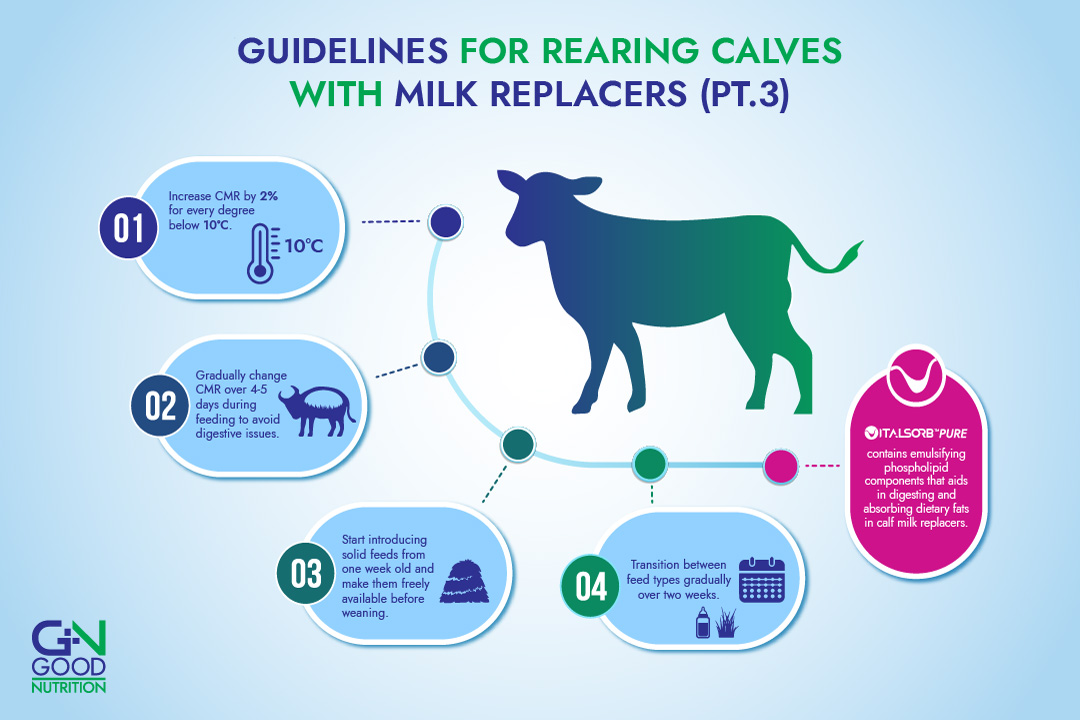
1. A rule of thumb is to increase the amount of CMR by 2% for every degree below 10°C.
2. If you change CMR during feeding, do it gradually over 4-5 days to prevent nutritional scours and digestive upset.
3. Solid feeds (forages and concentrates) should be introduced from one week of age and be freely available before weaning.
4. Gradual transitions between feed types should occur over two weeks.
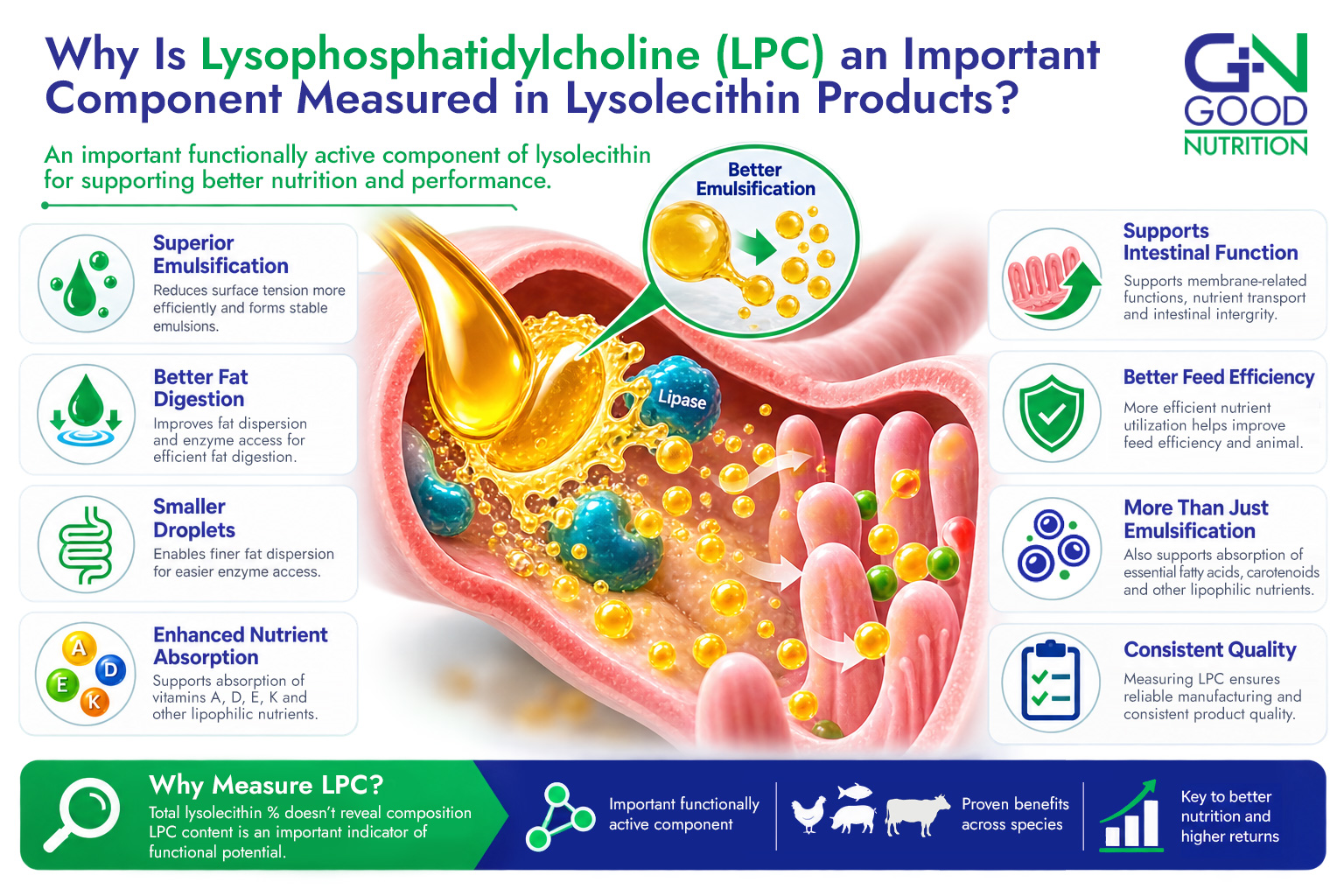
Vitalsorb™ Pure is an emulsifying agent containing phospholipid components to support oil-in-water emulsions for the superior digestion and absorption of dietary fats and oils, particularly saturated fats.