
Nutritional Benefits – Part 1
In the world of poultry nutrition, fats and oils also known as lipids have long been recognized for their role in boosting energy. But these powerful ingredients bring more to the table than just fuel for your flock. When properly balanced and delivered, dietary lipids can unlock a range of performance and health benefits for laying hens.
Here’s a closer look at the advantages of incorporating fats and oils into layer diets:
- Elevated Energy Density
Lipids are the most concentrated energy source available to hens, providing approximately 2.25 times more metabolisable energy than carbohydrates or proteins by weight. This means birds can meet their energy needs with less feed volume particularly valuable during times of heat stress or illness when appetite may be reduced. The result? Steady, or even improved, egg production in challenging conditions. - Better Feed Efficiency
When hens can do more with less, everybody wins. Including fats and oils in the diet enhances feed conversion efficiency, allowing layers to produce more eggs with less feed. This not only supports flock performance but also helps reduce production costs. Caution must be taken, however, as oxidized oils can have the opposite effect reducing feed intake and hindering productivity. - Improved Palatability and Intake
Simply put, feed tastes better with the right lipids. Fats and oils improve the flavor and texture of poultry diets, making them more appealing to hens. This increased palatability often leads to higher feed intake, which supports overall laying performance and helps meet the nutrient demands of high-producing birds. - Enhanced Absorption of Nutrients
Dietary lipids play a vital role in the absorption of fat-soluble vitamins A, D, E, and K as well as important carotenoids. These nutrients are essential not only for the hen’s health and immune function but also for the quality of the eggs she lays. - Cleaner Feed, Healthier Air
Beyond the bird, fats and oils benefit the environment of the poultry house. By binding mash mixtures, lipids help create more uniform feed and reduce the amount of dust and fines. This cleaner feed minimizes the risk of respiratory issues for both hens and farm workers, contributing to a healthier, more sustainable farm environment.
Emulsification Matters: Unlocking the Power of Fats
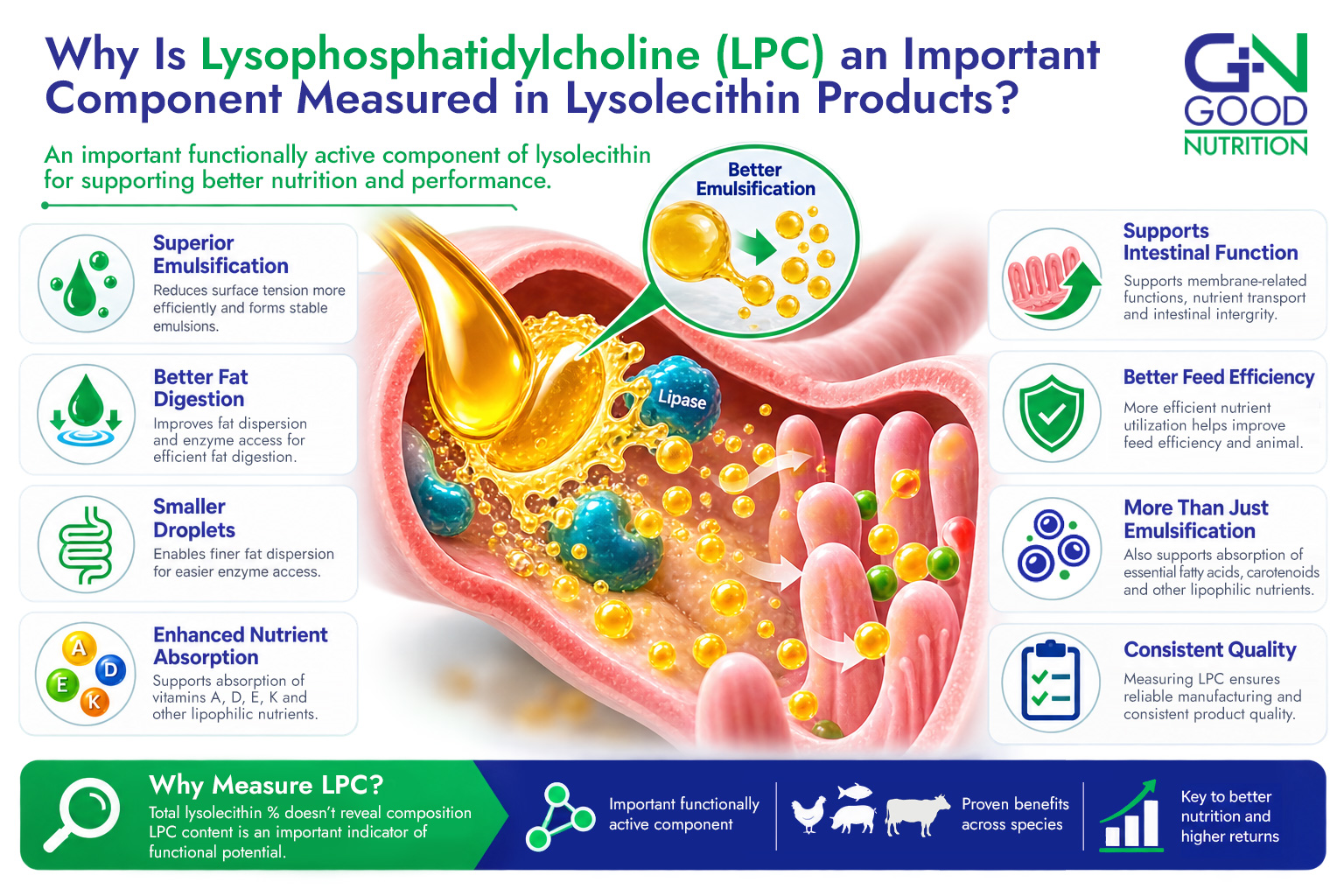
Fats are naturally insoluble in water, which means they require proper emulsification to be effectively digested in the hen’s gastrointestinal tract. The more emulsified a fat, the more digestible and ultimately more beneficial it becomes.
Enter Vitalsorb™ Pure, a phospholipid-rich emulsifying agent developed to enhance oil-in-water emulsions. Vitalsorb™ Pure supports the digestion and absorption of dietary fats, especially harder-to-digest saturated fats, ensuring hens get the most out of every drop.
Balanced Supplementation for Optimal Results
While the benefits of feeding fats and oils to laying hens are significant, success lies in careful formulation. Effective supplementation requires a balance of nutritional value, performance outcomes, and cost-efficiency. We recommend working with a trusted nutritionist to develop farm-specific strategies that deliver real results.
Stay tuned for Part 2, where we’ll explore how different types of fats influence egg quality, hen health, and sustainability across generations of poultry farming.