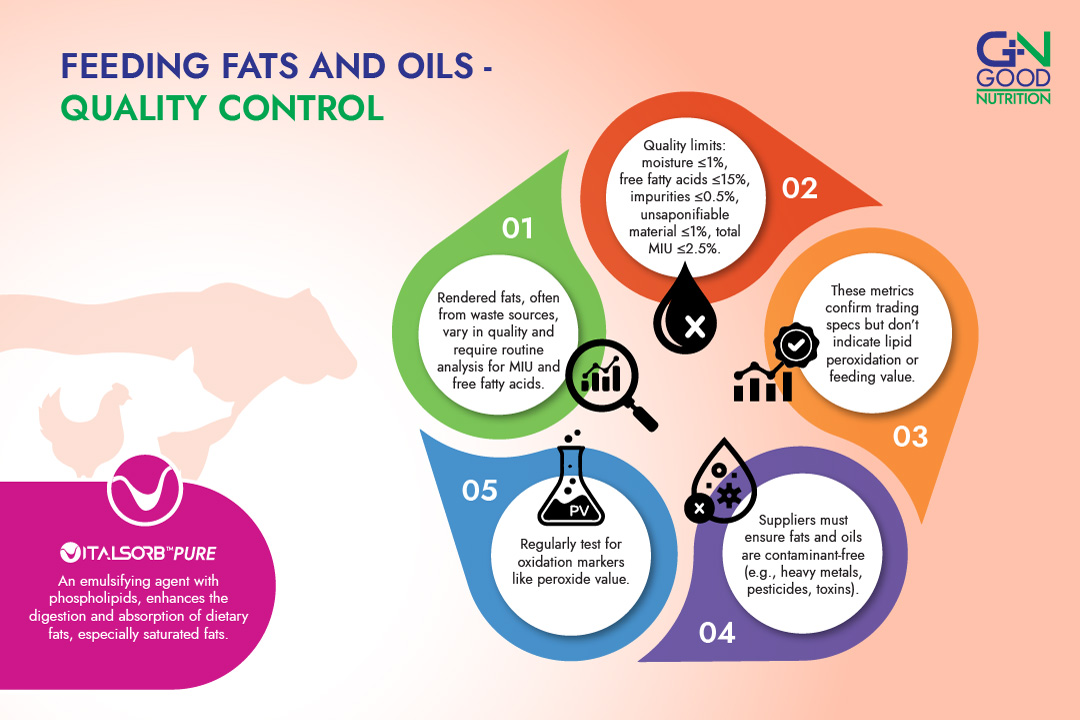
Fats and oils are essential energy sources in animal feed, but their quality and digestibility can vary significantly. With rendered fats primarily sourced from recovered waste, routine testing is crucial to maintain consistency and ensure optimal nutrition. Analyzing moisture, impurities, and unsaponifiable matter (MIU), along with free fatty acids, helps meet quality parameters and prevent performance issues in animal feed.
To maintain high standards, moisture should not exceed 1%, free fatty acids should be below 15%, impurities no more than 0.5%, and unsaponifiable material should stay under 1%, keeping total MIU at 2.5% or less. However, these measurements only indicate compliance with trading specifications they do not assess lipid peroxidation or the true feeding value of the fat.
Beyond standard quality checks, suppliers must ensure fats and oils are free from harmful contaminants, including heavy metals, pesticides, and toxic chemicals. Regular testing for oxidation markers, like peroxide value, is also essential to maintain freshness and nutritional integrity.
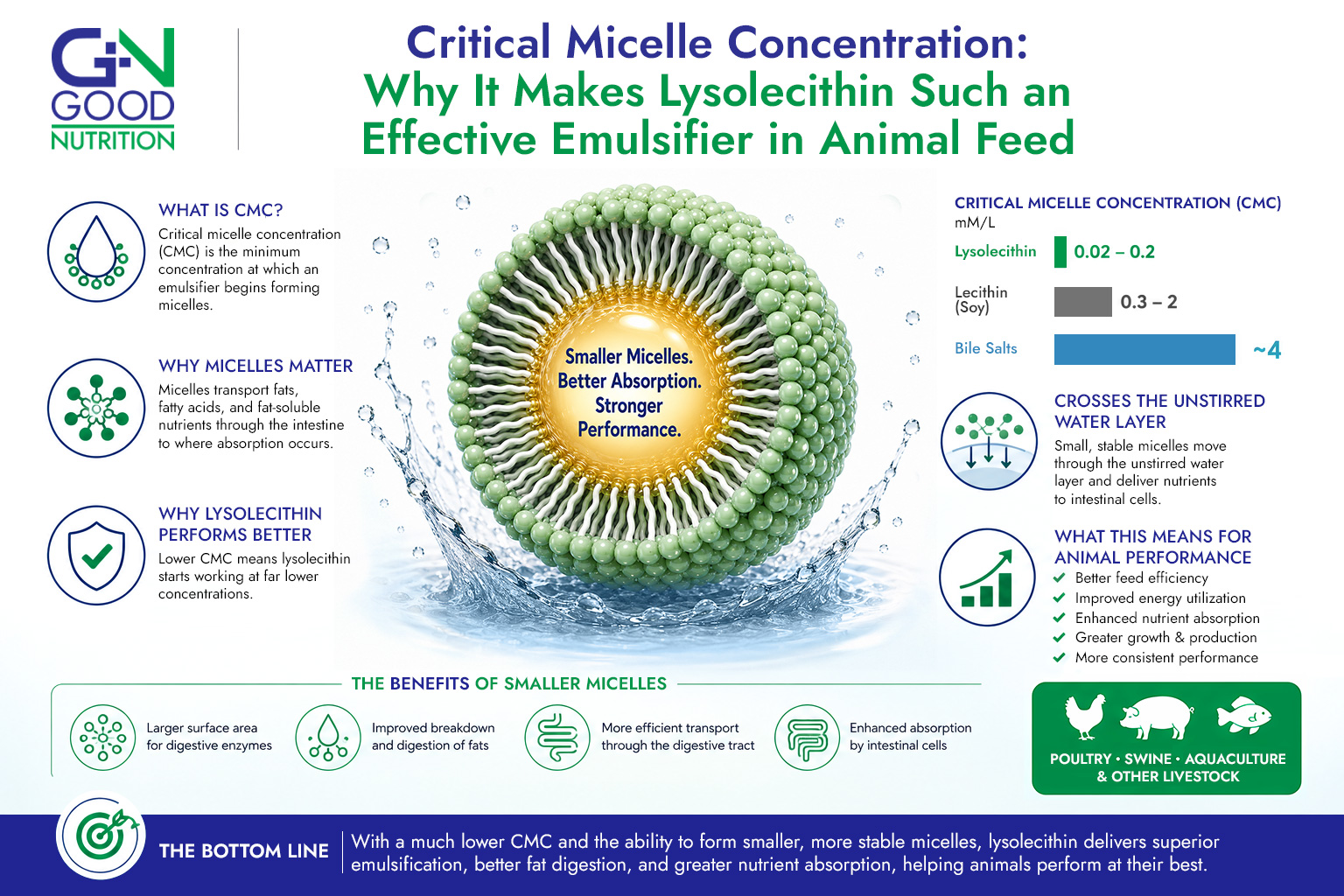
One critical factor in fat utilization is digestibility. Since fats are insoluble in water and do not naturally dissolve in the gastrointestinal tract, emulsification is key to improving absorption. The more emulsified a fat is, the more efficiently it provides energy. Vitalsorb™ Pure, an advanced emulsifying agent containing phospholipid components, enhances oil-in-water emulsions, ensuring superior digestion and absorption of dietary fats particularly saturated fats.
Implementing a robust quality control and assurance program, including professional analytical testing, is vital for ensuring the safety, effectiveness, and efficiency of fats and oils in animal feed. By prioritizing fat quality and digestibility, you can maximize feed performance and support better animal nutrition outcomes.
Optimize your feed with superior fat absorption!