Fats and oils play a crucial role in animal nutrition, providing a dense source of energy. However, diets with high fat content are prone to rancidity, especially when stored for extended periods or exposed to heat. Oxidation not only affects the digestibility of fats but also impacts palatability, which can reduce feed intake and overall animal performance. In warm climates, the risk of fat degradation is even higher, making antioxidant strategies and proper storage practices essential.
Best Practices for Fat Storage and Preservation
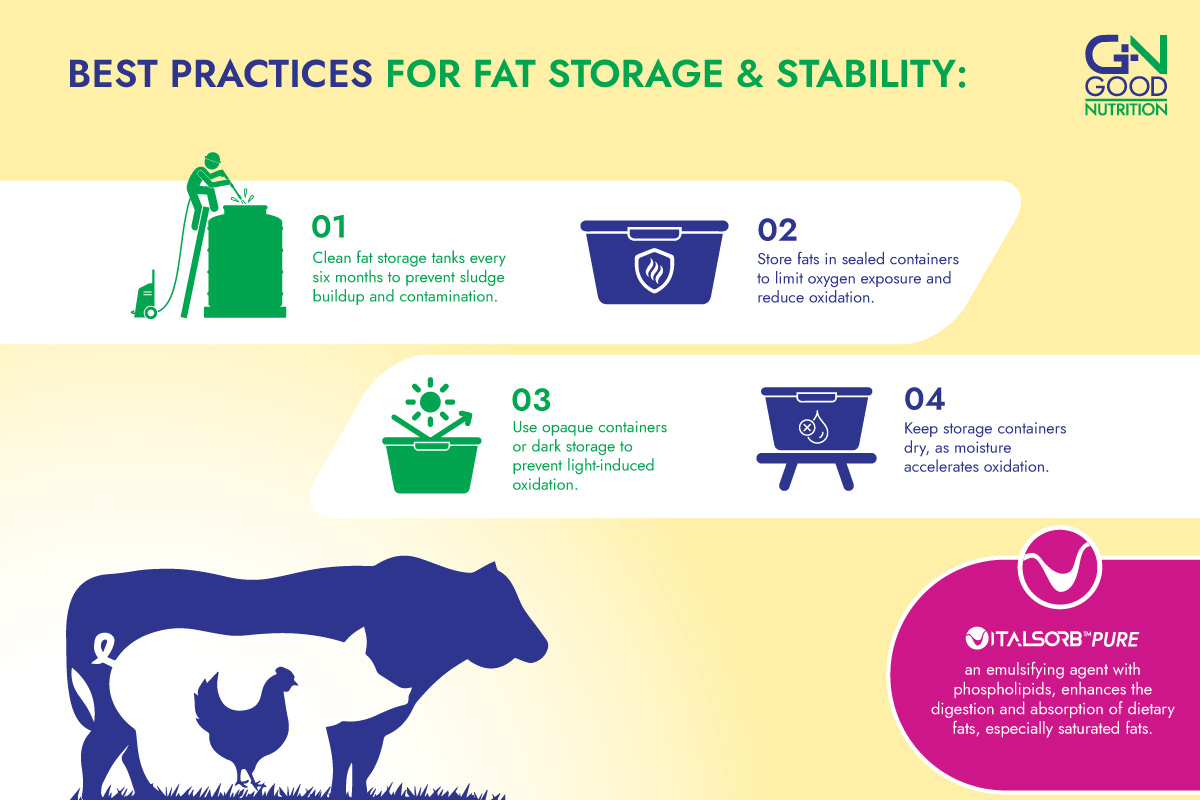
To maintain the quality of fats and oils, it is essential to implement proper storage and handling techniques. Here are four key strategies:
- Regular Cleaning of Storage Tanks
Fat storage tanks should be cleaned at least every six months to prevent the buildup of sludge, sediment, and contaminants. These impurities can degrade fat quality and increase the risk of oxidation, leading to compromised feed quality. - Minimizing Oxygen Exposure
Oxygen is a primary driver of fat oxidation. Using sealed containers and reducing the time fats are exposed to air during handling can significantly slow down the oxidation process and maintain fat stability. - Protecting Against Light Exposure
Ultra-violet (UV) light accelerates oxidation, leading to rancidity. Storing fats and oils in opaque containers or dark environments helps mitigate light-induced degradation, ensuring longer shelf life and better feed quality. - Preventing Moisture Contamination
Water can accelerate the oxidation process and compromise fat integrity. Ensuring that storage containers remain dry and free from moisture infiltration is vital for maintaining fat stability.
Enhancing Fat Digestibility with Emulsifiers
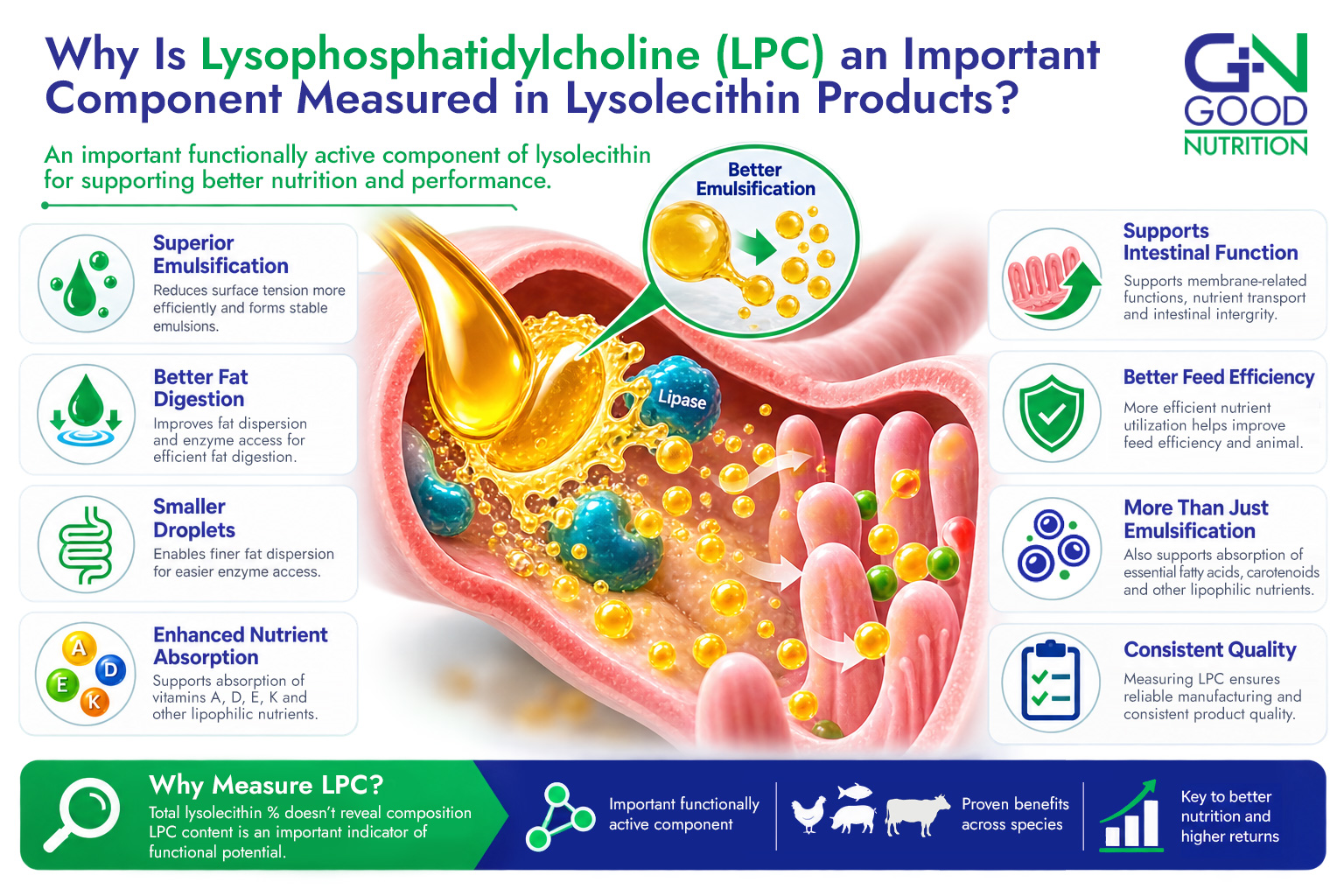
While fats are an excellent energy source, they are insoluble in water and do not naturally dissolve in the gastrointestinal tract. The more emulsified a fat is, the easier it is to digest, allowing for better energy utilization by the animal.
Vitalsorb™ Pure is an advanced emulsifying agent containing phospholipid components designed to enhance oil-in-water emulsions. This formulation supports superior digestion and absorption of dietary fats, particularly saturated fats, maximizing their energy potential.
Conclusion
Proper fat storage and handling are essential to maintaining quality and preventing oxidation-related issues. Implementing best practices such as regular tank cleaning, minimizing oxygen and light exposure, and preventing moisture contamination can significantly enhance fat stability. Additionally, incorporating emulsifiers like Vitalsorb™ Pure can improve fat digestibility and energy absorption, supporting optimal animal nutrition. Consulting with industry professionals can help ensure the highest quality fats and oils in feed formulations.