
When it comes to broiler chicken nutrition, fats and oils are often viewed simply as an energy source. However, recent advances in poultry nutrition show that lipids play a much bigger role in performance, welfare, and meat quality. In Part 1, we explored how fats enhance growth, feed efficiency, and nutrient absorption. In this second part, we look deeper into additional benefits that make fats and oils essential tools for modern poultry production.
1. Better Palatability for Increased Intake
Fats enhance the texture and taste of feed, making it more appetising for broilers. Improved palatability encourages greater feed intake, which directly supports growth performance and flock uniformity.
2. Improved Heat Tolerance
During hot seasons, broilers often face heat stress, which negatively impacts productivity. Feeding higher fat diets helps reduce metabolic heat production compared to carbohydrate and protein metabolism. This means broilers can maintain performance and welfare even in high-temperature environments.
3. Carcass Quality Improvements
The type of fat included in broiler diets directly influences the fatty acid composition of the meat. By using tailored fat sources, producers can enhance meat quality such as boosting omega-3 levels to meet consumer demand for healthier poultry products.
4. Dust Reduction and Easier Feed Handling
Adding fats and oils reduces fines in pelleted feed, improving feed quality and reducing dust. This not only benefits bird health by minimising respiratory issues but also improves working conditions for farm staff.
The Role of Emulsifiers in Fat Utilisation
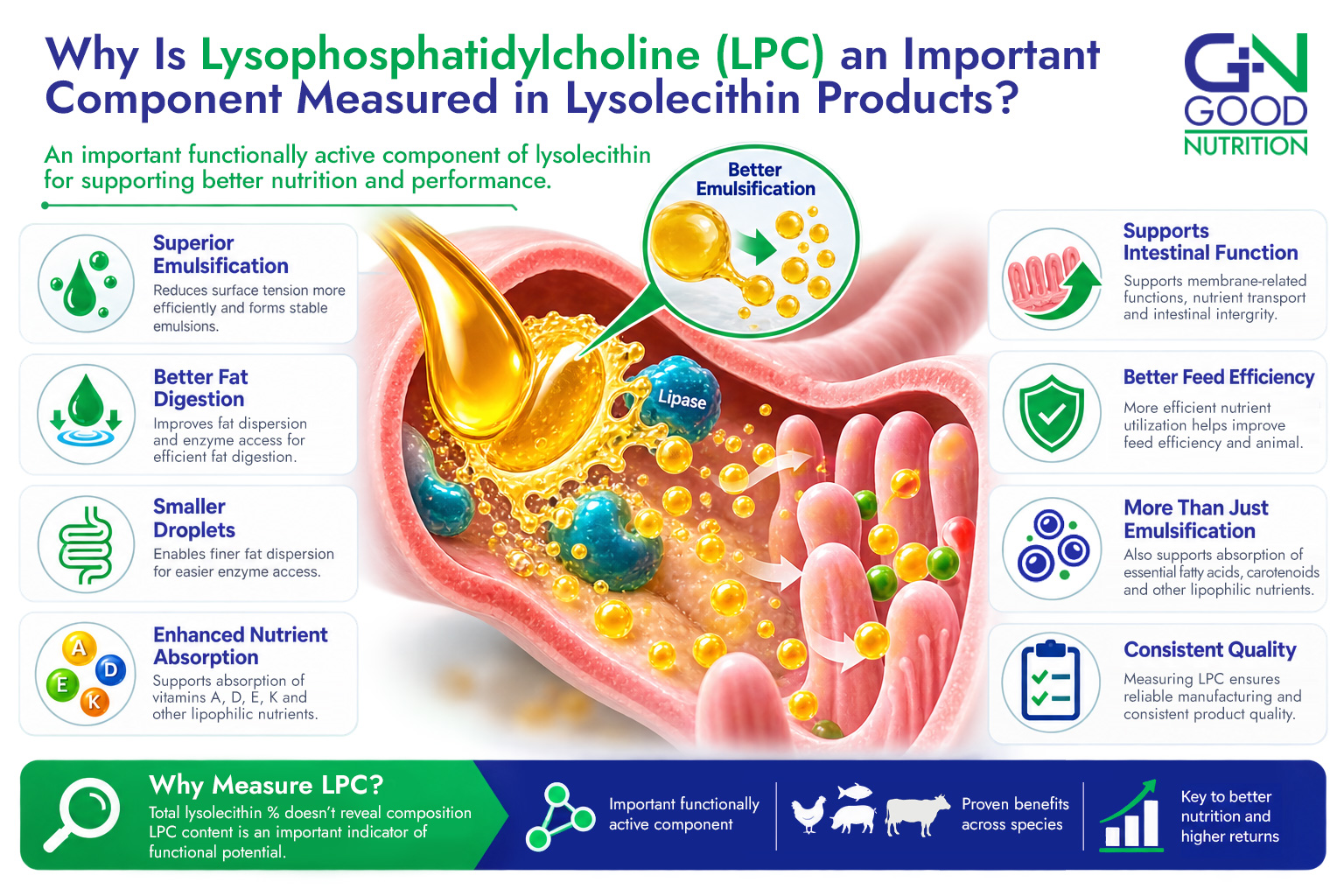
Despite their benefits, fats are water-insoluble and not easily digested in the gastrointestinal tract. Emulsifiers, like Vitalsorb™ Pure, help break down fats into smaller droplets, improving digestion and absorption especially for saturated fats. This ensures broilers can extract maximum energy and nutrients from dietary lipids.
Conclusion
The effective supplementation of fats and oils in broiler diets goes far beyond just providing energy. From improving palatability and heat tolerance to enhancing carcass quality and feed handling, lipids are powerful tools in poultry nutrition. When combined with advanced emulsifiers, these benefits are amplified, driving both productivity and profitability. To achieve optimal results, nutrition strategies should always be tailored to the specific needs of the farm like balancing animal health, performance, and cost-effectiveness.